
FUT Long Island
Hair Restoration with FUT in Long Island - Achieving Natural Density with Precision
Hair naturally grows in groups of one to four strands, known as follicular units (FUs). At Nova Medical Hair Transplant, we use these individual follicular units to create results that look completely natural and are designed to be permanent. These units are sourced from areas of the scalp with dense, permanent hair growth, typically from the back and sides.
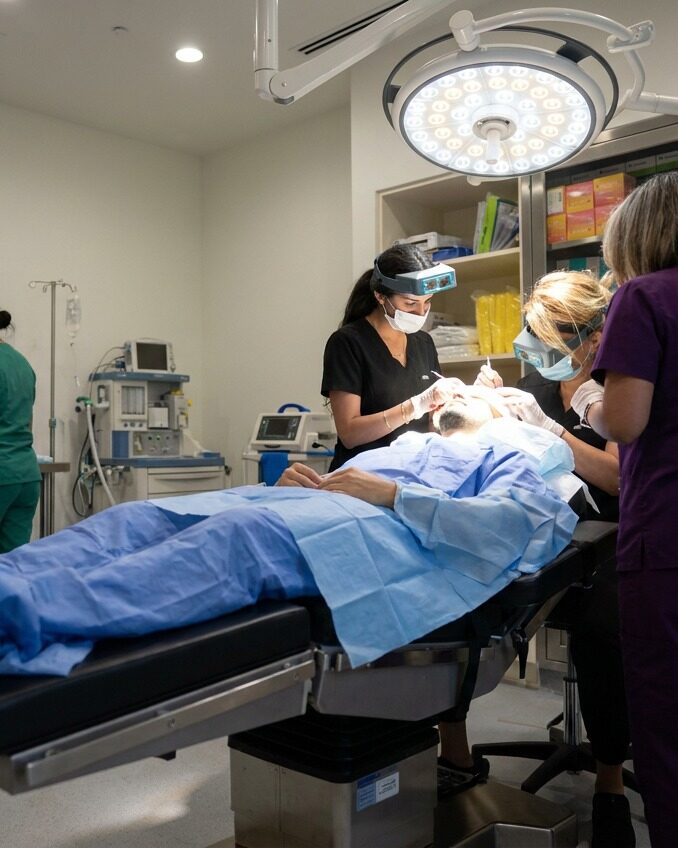
The Follicular Unit Transplantation also known as the FUT technique involves taking a strip of skin with hair from the donor area. This strip is then meticulously divided into individual follicular units, which are transplanted into areas of thinning or balding. When performed with precision, this method results in a fine-line scar on the back of the scalp, which is usually hidden unless the hair is cut extremely short.
Follicular Unit Extraction or FUE is another hair restoration technique where individual hair follicles are removed using a specialized, motorized tool. The primary benefit of FUE is that it allows for very short hairstyles or even a completely shaved head without leaving noticeable scars.
In Long Island, Follicular Unit Strip Surgery is a well-established technique for acquiring grafts needed for hair transplantation. This method involves surgically removing a strip of hair-bearing scalp from the back of the head. The strip is usually about 1 cm high and can extend over 20 cm in length, tailored to the patient’s needs. After the strip is removed, the donor site is sutured, with stitches typically staying in place for a week to ten days. The strategic placement of this incision ensures it is hidden by the patient’s surrounding hair, keeping it out of sight as it heals.
The donor strip is then meticulously divided into individual follicular units under a microscope, preparing them for transplantation. The efficiency of FUT lies in its ability to harvest a large number of grafts in a relatively short period, while the microscopic division ensures that the grafts remain intact and undamaged.
Before & After Gallery
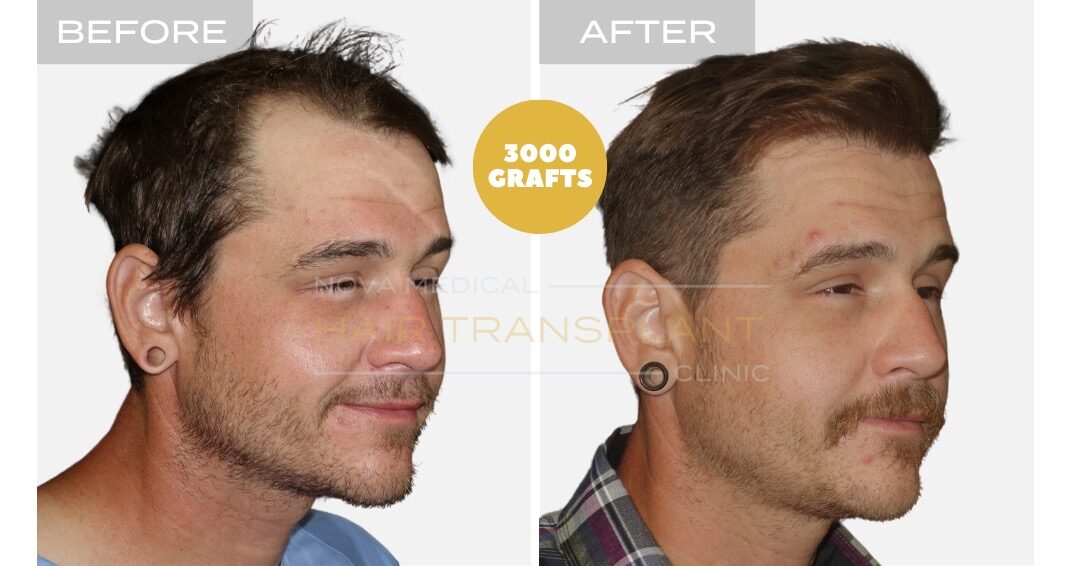
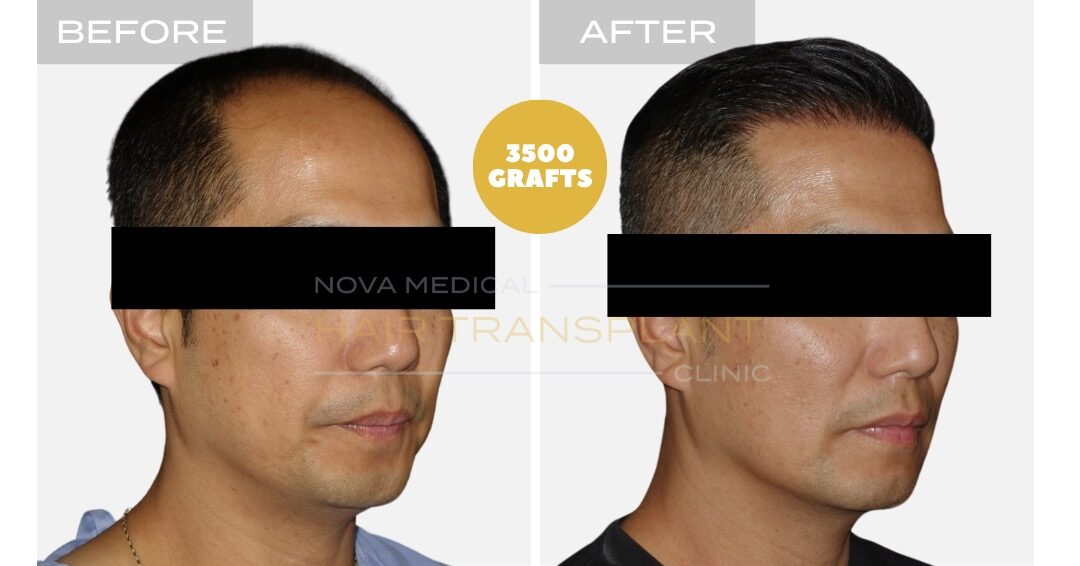
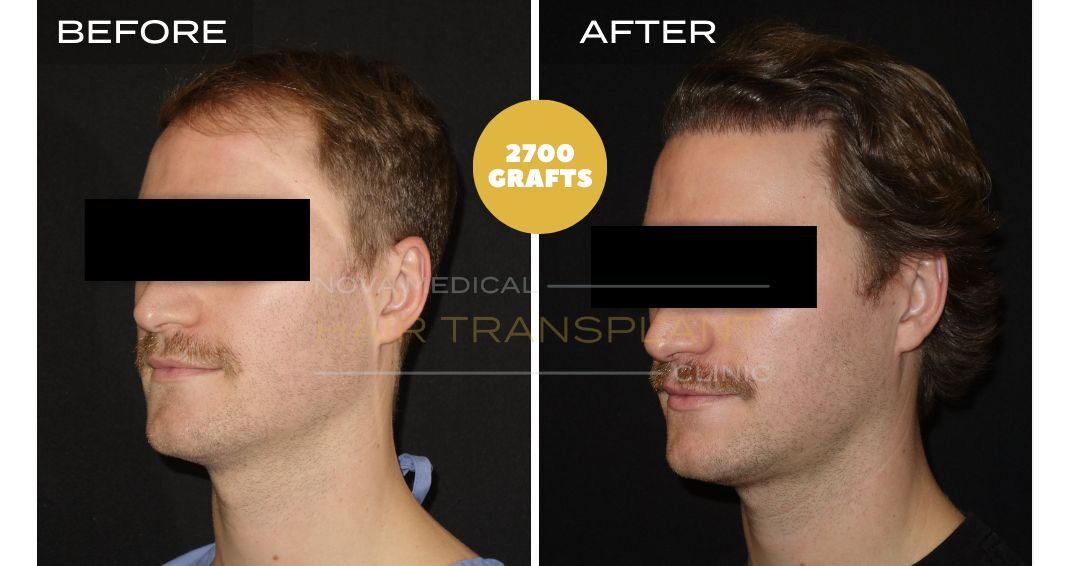
How FUT Works
-
1
Consultation & Consent
You’ll first engage in a consultation to outline treatment goals and expectations. You will receive comprehensive pre- and post-surgery instructions to ensure safety and minimize complications.
-
2
Donor Strip Harvesting
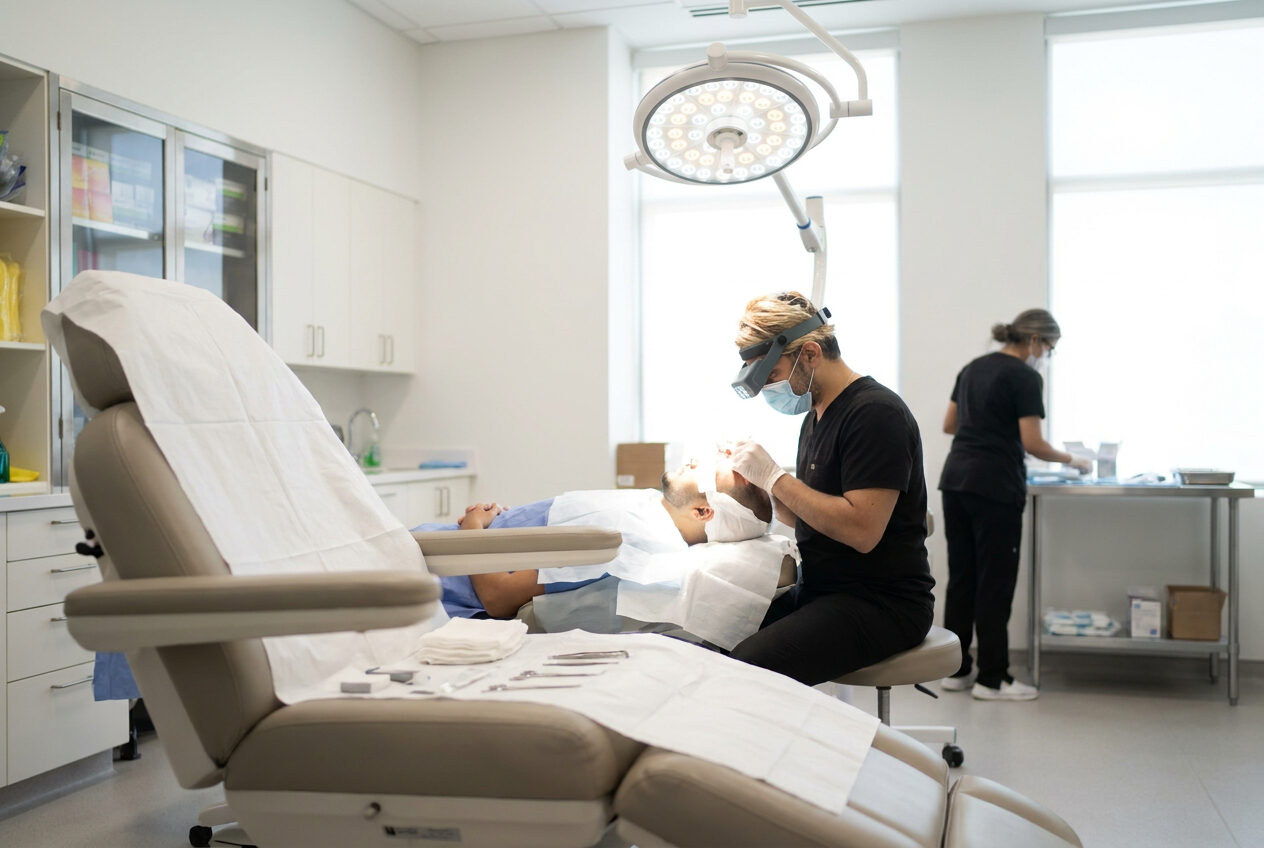
You will meet with your surgeon and technicians to review the procedure goals and strategy. The hairline area is marked and photographed. You’ll receive a mild sedative, and the donor area will be trimmed and numbed with local anesthesia. Donor strip removal takes 10-30 minutes and is pain-free due to effective anesthesia. The incision is closed with a trichophytic technique, resulting in a fine-line scar.
-
3
Microscopic Dissection
The donor strip is divided into individual follicular units. The recipient area is numbed, and sites for the grafts are created with precision to ensure a natural look.
-
4
Implantation
Follicular units are meticulously implanted, using pre-made sites and “stick and place” methods for a natural appearance. The procedure spans several hours, with breaks for meals and entertainment.
-
5
Hair Growth
New hair growth is typically visible within 2-3 months. Treatments like Rogaine or PRP injections can enhance growth. Significant progress is seen by 4-6 months, with full benefits in 12-18 months. The new hair is permanent and can be styled, trimmed, and treated like natural hair.
FUT Hair Transplant Cost in Long Island
We price each FUT procedure only after examining your scalp, because the graft count, the size of the area being restored and the density of your donor hair all change the total.
A single strip can supply thousands of grafts at once, which usually brings the per-graft price below FUE; on a large restoration covering much of the scalp, that gap becomes significant. Our hair transplant cost page lists current per-graft rates.
You leave your consultation with a written graft estimate and a firm price, with no pressure to book that day. If you would rather spread the cost, payment plans start at $95 bi-weekly.
Request a Free Consultation
No obligation • Same-week availability
How Long Does an FUT Hair Transplant Take?
At our Melville clinic most FUT procedures fill six to eight hours, and very large sessions of 4,000 grafts or more run a little longer because each unit is dissected and implanted by hand.
Since you are with us for most of the day, meals, snacks and regular breaks are built in, and many patients put on music, a podcast or a show while the team works.
You stay awake throughout in a private, quiet room, and most people find the day goes by faster than they expected.
Who Is an Ideal Candidate for FUT?
FUT suits some patients far better than others. It tends to be a strong fit if you:
- Have advanced loss across the top and crown, usually Norwood V to VII
- Need a large graft count, often 3,000 or more, in one sitting
- Have enough scalp laxity at the back for a comfortable strip and a neat closure
- Prefer a medium or longer haircut that conceals a donor line
- Want as much coverage as possible from a single procedure and budget
- Have already had FUE and want to make the most of the donor hair you have left
FUT as a Hair Restoration Solution in Long Island
FUT remains a premier option for addressing hair loss in both men and women. We believe hair restoration goes beyond the physical, boosting confidence and quality of life. Our dedication to excellence and patient-centric care makes us the best choice for your hair restoration journey. At Nova Medical Hair Transplant, we excel in delivering exceptional FUT results. Here’s why we stand out:
High Graft Yield
One strip commonly provides 3,000 to 5,000 grafts or more, which is enough to treat advanced loss in a single day.
Lower Cost per Graft
Collecting a large number of grafts in one go keeps the per-graft price down and makes bigger restorations easier to afford.
Built for Advanced Loss
Norwood V to VII patients who need broad coverage get the most from the volume a single strip can deliver.
Expertise
Dr. Val Prokurat, MD, and our skilled technicians have extensive experience in FUT, ensuring natural-looking results.
Advanced Facility
Our state-of-the-art clinic is equipped with the latest technology, prioritizing safety and comfort.
Personalized Care
We tailor each treatment plan to meet the unique needs and goals of our patients, enhancing confidence and overall satisfaction.
FUT vs. FUE Comparison
FUT - Follicular Unit Transplantation
- Can deliver 4,000 to 5,000+ grafts in a day
- Lower cost per graft on big cases
- Only the strip zone is trimmed, so longer hair can stay as it is
- Designed for advanced loss (Norwood V to VII)
- A single fine donor line that surrounding hair covers
- Leaves donor reserves for a possible future session
FUE - Follicular Unit Extraction
- Small dot-shaped marks instead of a line
- Suits very short hairstyles and smaller cases
- The donor area is generally clipped short
- Often feels like a quicker recovery, with no incision to heal
- Best for small to moderate density targets
- Usually fewer grafts per session
How Your FUT Scar Stays Concealed
Although FUT is highly efficient, it does result in a linear scar. However, this scar, usually only 1-2 mm in width, is typically a minor cosmetic concern for most patients. At Nova Medical Hair Transplant, we use an advanced “trichophytic closure” technique to enhance the healing process. This technique allows hair to grow through the scar line, often making the scar virtually undetectable and minimizing any aesthetic impact.
Because the closure lets hair grow up through the edges of the incision, the line blends in as it heals rather than leaving a bare stripe.
At a number three clipper guard or longer, the line is generally not visible day to day, and it becomes even harder to spot as the hair around it fills back in.
FUE vs. FUT Hair Transplant
Explore why FUE may not be the best choice for everyone and why some patients opt for the FUT hair transplant technique instead. Some clinics exclusively perform FUE and market it as a “no-scalpel” or “scar-free” method, suggesting that FUT is outdated and leads to significant scarring. It’s important to understand that while FUE avoids a long, continuous incision and doesn’t require sutures, it still results in small scars. These appear as tiny, pale spots that can become noticeable if the hair is cut very short or shaved. That said, scarring is an inevitable part of any surgical procedure.
Certain clinics specialize only in FUE because they entered the hair restoration field after automated FUE devices became available, often relying on technicians to perform the procedure. At Nova Medical, our experience in hair transplantation predates the start of automated FUE technology, giving us the comprehensive skills needed to recommend the best procedure for each patient.
We provide a wide range of hair restoration solutions, with approximately 80% of our male clients choosing FUE. FUT remains the preferred method for some patients, especially those who prefer to keep their hair long. FUT involves trimming only the specific area to be transplanted, whereas FUE requires shaving a larger portion of the scalp. Women and those who wear their hair long are often less concerned about donor scar visibility as it is hidden by their hair.
Every patient at Nova Medical Hair Transplant undergoes a detailed evaluation by Dr. Val Prokurat, MD, and our experts. We consider factors such as current and potential future hair loss patterns, donor hair availability, scalp flexibility, and hair and skin texture and color. By combining these factors with the patient’s preferences, we provide personalized recommendations and advice on the right hair transplant method. At Nova Medical, we understand that both FUE and FUT have distinct advantages and disadvantages. We are dedicated to offering both methods, ensuring we meet each patient’s unique needs with personalized care.
When you choose Follicular Unit Transplantation at Nova Medical Hair Transplant in Long Island, you enter a state-of-the-art surgical facility that prioritizes safety and comfort. Our surgical team, overseen by Dr. Val Prokurat, MD, has extensive experience with FUT procedures.
We use individual follicular unit grafts for all hair transplant operations, ensuring natural-looking and permanent results. Our approach focuses on aesthetic hairline design, even density, detailed surgical planning, and precision to deliver outstanding outcomes.
How to Prepare for an FUT Hair Transplant
-
1
Medications & Supplements
Bring a complete list of everything you take, prescription or not. A few products, blood thinners in particular, may need a short pause, but only when your doctor tells you to, and you will get written instructions well ahead of the day.
-
2
Smoking & Alcohol
Stop smoking and drinking for at least a week before surgery. Both cut circulation to the scalp and can slow healing of the grafts and the donor line.
-
3
The Morning of Surgery
Wash your hair thoroughly that morning and leave out gels, sprays and other products so your scalp arrives clean and ready.
FUT Recovery Timeline
- Day 1
You go home the same day with the grafts placed, the donor area closed and written aftercare. A feeling of tightness along the incision that evening is normal.
- Days 2-4
Some swelling may move down over the forehead before it fades. Most of the soreness sits along the donor line and responds well to the medication you are given.
- Days 5-9
Light day-to-day activity usually feels fine again. Gentle washing, done as instructed, helps the small crusts in the recipient area loosen and come away.
- Days 10-14
A short visit takes care of stitch removal while the incision continues to mature under your hair.
- Weeks 2-4
Many transplanted hairs shed in this window. That is expected: the follicles remain in place and will grow new hair.
- Months 3-6
New hairs start to come through, and density builds steadily from month to month.
- Months 12-18
The result matures, and the hairline softens and fills out as the new hair thickens.
Post-Procedure Care and FUT Recovery
You will be given antibiotics to prevent infection and medications to reduce swelling following the procedure. Pain is usually minimal and manageable with over-the-counter pain relievers, but stronger medications are available if needed.
Swelling is common and may affect the forehead, eyelids, or cheeks. Scabs will form and should be kept clean and hydrated. Gentle hair washing can begin after a couple of days. Most patients take a week off from work. Light physical activity can resume in 7-10 days, with intense exercise or swimming recommended after 2-3 weeks.
You will receive detailed instructions for caring for the donor and recipient sites, along with necessary supplies and medications. A follow-up appointment for suture removal is scheduled 7-10 days post-surgery.
Patients can expect minimal discomfort, scarring, and recovery time, with high satisfaction rates reflecting the quality of their hair transplant journey. At Nova Medical Hair Transplant, our goal is to provide exceptional results and a positive experience throughout your hair restoration journey from start to finish.
FUT is an excellent treatment for hair loss in both men and women. Dealing with hair loss can be tough, but effective solutions are available to help you regain your hair and confidence. Explore the resources on our site to learn how Nova Medical Hair Transplant can support you on your journey. Take the next step by scheduling a consultation, either in-person or virtually, with our surgical experts. We will develop a personalized FUT hair restoration plan tailored to your needs. Contact us by phone or book an appointment through our online system. We are here to guide you every step of the way.