
PRP Hair Loss Long Island
PRP Hair Loss Treatment in Long Island
Introducing our PRP hair restoration treatment. Our innovative approach involves extracting platelet-rich plasma (PRP) from a patient’s own blood, which is then meticulously re-injected into the scalp. The PRP treatments at our Long Island consultation clinic are designed to harness the body’s natural cellular power to combat hair loss.
Experiencing thinning hair or a receding hairline can greatly impact the confidence of both men and women. With so many treatment options available, each claiming to be safe and effective, the decision-making process can be overwhelming. That’s why it’s crucial to make an informed choice - and the Nova Medical Hair Transplant team is here to assist you every step of the way.
At our Long Island consultation clinic, we are committed to providing reliable and effective hair loss treatments. We proudly offer an innovative therapy known as Platelet-Rich Plasma (PRP) treatment. This method harnesses the body’s natural healing mechanisms to stimulate hair regeneration. PRP treatment is effective for regrowing facial hair, including beards and eyebrows, and is particularly successful in treating pattern baldness in both men and women.
In addition to PRP, we also provide FDA-approved procedures and medications to combat hair loss.
If you are looking for natural-looking hair, beard, or eyebrow restoration, please contact our clinic. We are here to answer your questions and guide you to the best solution for your needs.
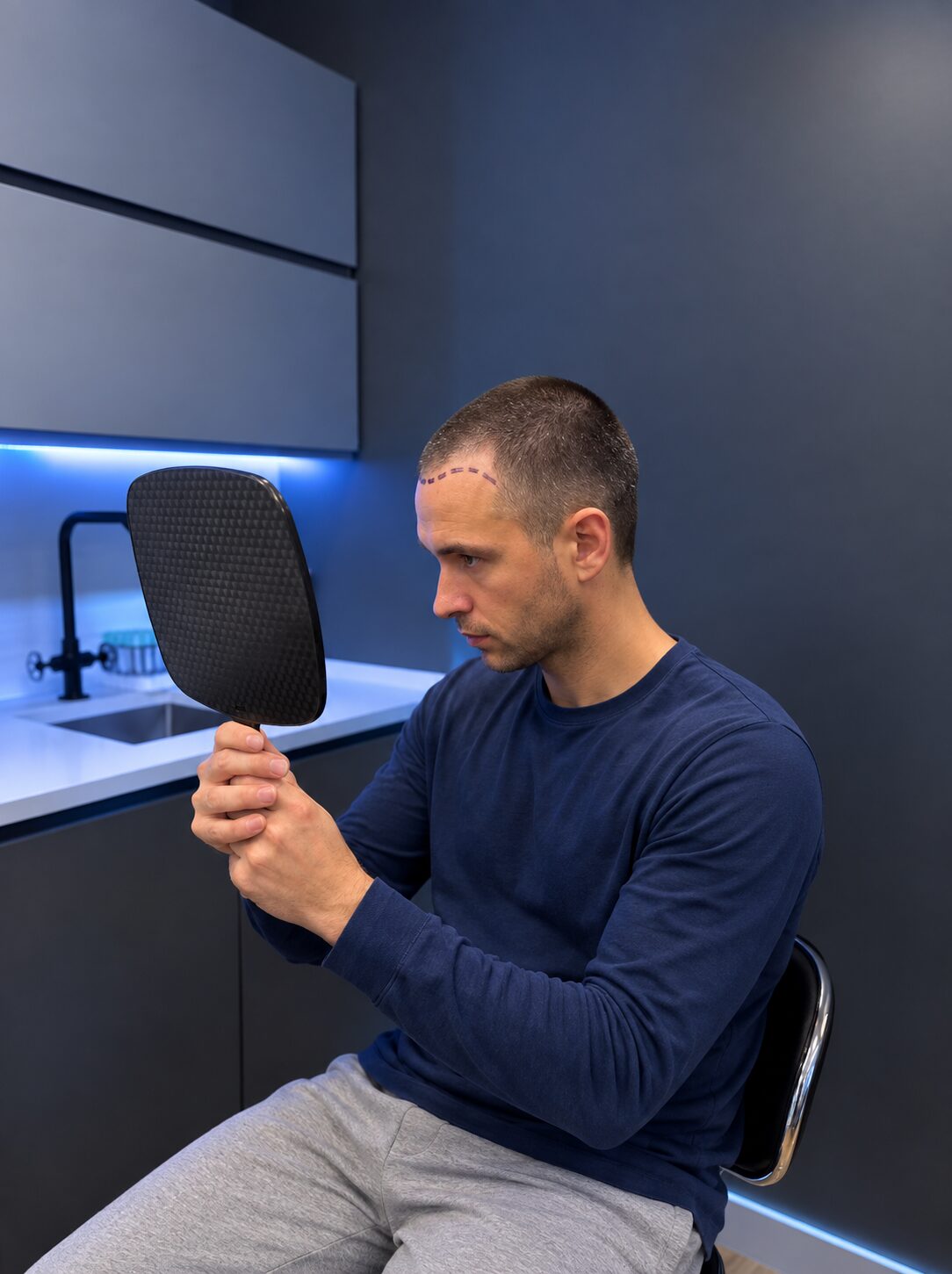
The PRP Treatment Process
-
1
Scalp Evaluation
We start by examining your scalp, how and where you are thinning and your medical history, then tell you plainly whether PRP suits you or whether another approach would serve you better.
-
2
Simple Blood Draw
Embarking on PRP hair loss treatment in Long Island begins with a straightforward blood draw, similar to routine lab tests you may have experienced before.
-
3
Plasma Concentration
We then carefully process your blood in a sterile centrifuge, isolating the platelet-rich plasma by spinning the blood at high speeds.
-
4
Precise Scalp Injections
Before administering the PRP injections into your scalp, our team will apply local anesthesia to ensure your comfort, minimizing any sensations or discomfort.
-
5
Maintenance Sessions
PRP builds results over several visits. After the first session, repeat treatments every 3 to 4 months keep the follicles responding.
PRP Pricing in Long Island
Your PRP cost at our Melville office comes down to the number of sessions and whether it is a standalone treatment or one part of a larger restoration. We put the schedule and total in writing at your consultation.
Some patients use PRP to hold on to hair in the early stages of thinning; others add it to a surgical plan such as FUE or FUT. We will map out a realistic session plan and explain how the cost is spread across it.
Financing is available, and our pricing and financing page has more detail. Quotes are clear and itemized, with no pressure to commit on the day.
Your Hair Back?
Support thinning hair while the follicles can still respond.
Request a Free Consultation
No obligation • Same-week availability
How Long Does the PRP Treatment Take?
A PRP hair loss treatment session is relatively quick, typically lasting between 60 to 90 minutes. With the use of local anesthesia, you’ll likely feel only minor discomfort during the procedure. This non-surgical and minimally invasive approach allows you to drive yourself home and resume normal activities the following day. However, it’s best to avoid strenuous physical activities for a few days after the treatment.
You can expect to see positive changes within 4 to 6 months after the initial session. For optimal results, we recommend follow-up treatments every 3 to 4 months. At our Long Island consultation clinic, we offer PRP as both a standalone treatment and in combination with other methods such as the FUE hair transplant.
To learn more about our exceptional services, schedule a consultation, and feel free to review our patient testimonials and success stories.
Who Is an Ideal Candidate for PRP?
Because PRP can only strengthen follicles that are still alive, early to moderate thinning in either sex responds best. It is also a good choice if you want a non-surgical option or extra support around a transplant. Typical candidates have:
- Thinning that is still early to moderate, with active follicles
- Male or female pattern (androgenetic) hair loss
- More shedding than usual, or gradual thinning over the whole scalp
- A preference for a non-surgical route, or a transplant to support
- Good general health with no bleeding or platelet disorder
- Realistic goals: PRP strengthens existing hair but cannot bring back follicles that are gone
Benefits of PRP Treatment
A gentle option that puts your own healing biology to work.
No Surgery
No incisions, stitches or scars. PRP is given through fine injections, which makes it one of the mildest hair loss treatments available.
Your Own Plasma
Everything injected comes from your own blood, so there is no foreign substance and allergic reactions are very unlikely.
Back to Normal Fast
You can drive home after the session and get on with your day tomorrow, with nothing more than mild tenderness where the injections went.
Feeds Weakening Follicles
Concentrated growth factors nourish follicles that are starting to struggle, helping the hair you still have grow thicker and stronger.
Works With Transplants
Paired with FUE or FUT, it supports the untreated hair surrounding the grafts within a single plan.
Short Visits
Sessions in our Melville office usually take 60 to 90 minutes, so they slot easily into a busy week.
PRP for Different Types of Hair Loss
PRP does not help every type of hair loss; how much it helps depends on the cause, which is what we check before recommending it. It is most useful for:
- Pattern thinning in men and women, ideally caught early while follicles are still alive
- Diffuse thinning and heavier shedding spread across the scalp rather than one bald patch
- Post-transplant support, protecting the surrounding native hair while you heal
- Thinning in women, often considered alongside female hair restoration
Because PRP relies on living follicles, it cannot regrow hair on areas that are already fully bald. There, a hair transplant is usually the better answer, and we will say so.
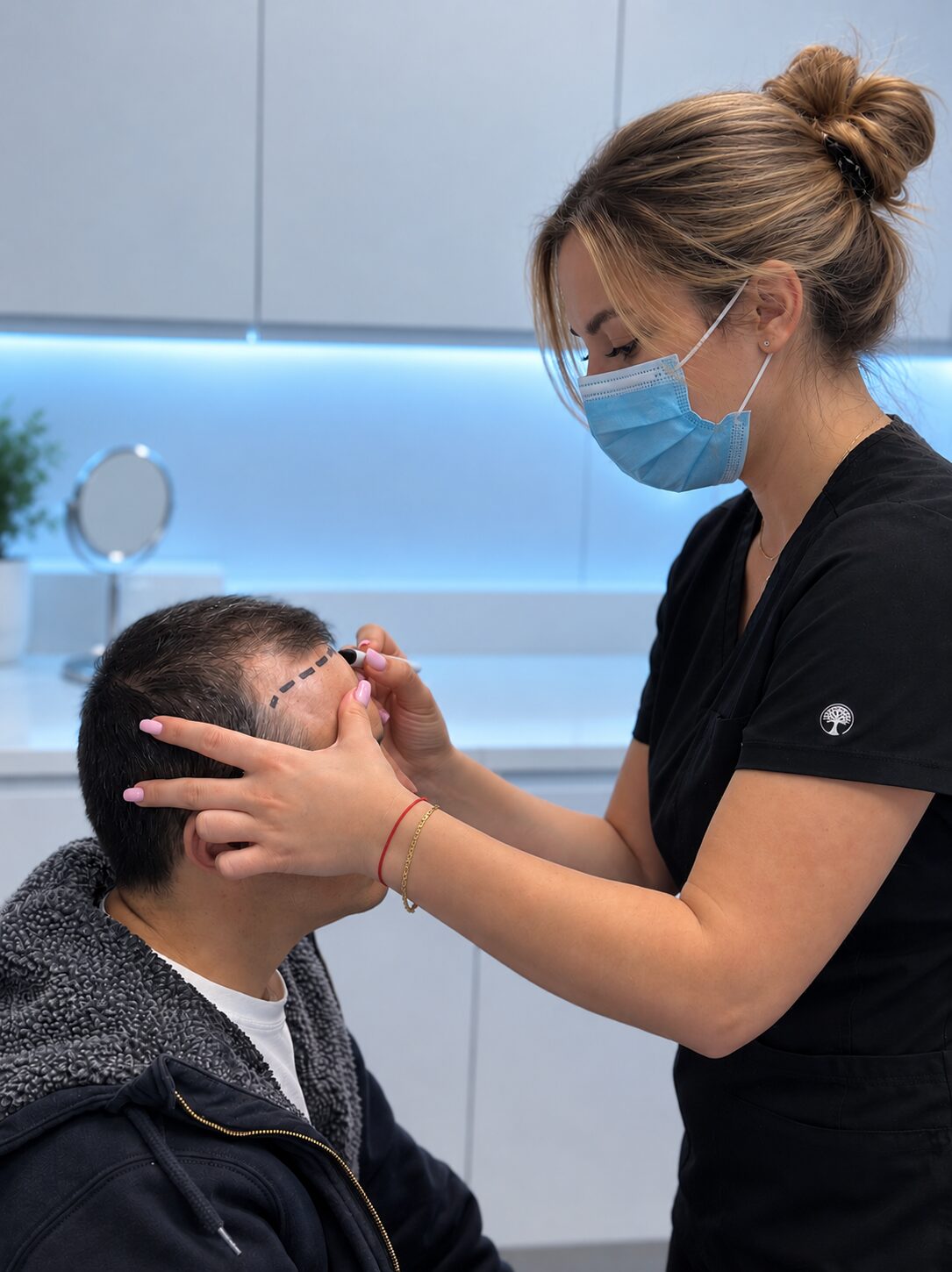
An Overview: Our PRP Hair Loss Treatment in Long Island
Highly Concentrated PRP: Our success with PRP treatments relies on delivering a highly concentrated form of platelet-rich plasma directly to the scalp. State-of-the-Art Approach: At our Long Island consultation clinic, we employ cutting-edge technology for natural hair restoration, focusing on achieving the highest PRP concentrations.
Optimal PRP Concentrations: This method sets the standard for optimal PRP concentrations, combining proven, non-surgical techniques to stimulate your body’s own hair regrowth process. Automated Precision: Our system features automated technology, ensuring precise and consistent delivery of high-quality PRP.
Unlike some treatments that use needle gun devices, resulting in lower PRP concentrations and less accurate application, our method is designed to deliver better results and value for your investment.
First-Rate Results: Our clinic is committed to providing outstanding results from the very first treatment, leveraging the exceptional capabilities of our PRP system.
Getting Ready for Your PRP Session
-
1
Eat and Hydrate
Have a normal meal and plenty of water beforehand. Good hydration makes the blood draw easier and keeps you comfortable.
-
2
Check Your Medications
Unless your doctor says otherwise, avoid blood thinners, anti-inflammatories and alcohol before treatment, as they can affect platelet function. We will send written instructions ahead of your visit.
-
3
Wash Your Hair
Shampoo on the morning of your session and leave gels, sprays and other products out. That is all the preparation needed, and most people simply carry on with their day afterward.
PRP Recovery & Results Timeline
- Session Day
One appointment of about an hour to an hour and a half, with numbing. Some soreness, redness or tightness where the injections went is normal and settles quickly.
- 24-48 Hrs
Skip hard workouts, saunas and harsh hair products for a few days. Most people feel completely normal the next day.
- Weeks 2-6
Often the first sign is less hair coming out in the shower or on the brush, which shows the follicles are responding.
- Months 4-6
Visible gains in fullness tend to show from month four to six and continue to build.
- Every 3-4 Mo
Repeat sessions every three to four months maintain the gains, because PRP supports follicles rather than changing them for good.
What is PRP and How Does It Work?
Platelet-rich plasma therapy harnesses the body’s natural repair system to stimulate hair growth and rejuvenate the scalp. PRP is made from your own blood and contains concentrated platelets, which release growth factors that support the hair follicles. By using a centrifuge to isolate PRP, we can significantly concentrate these growth factors to promote hair restoration.
PRP has been successfully utilized for years in various medical fields, including aesthetic treatments, wound healing, and skin renewal. Its benefits are well-documented in disciplines such as plastic surgery, sports medicine, oral surgery, orthopedics, and neurosurgery.
At Nova Medical Hair Transplant in Long Island, we leverage PRP therapy to enhance hair restoration results, offering a cutting-edge solution for individuals experiencing hair loss.
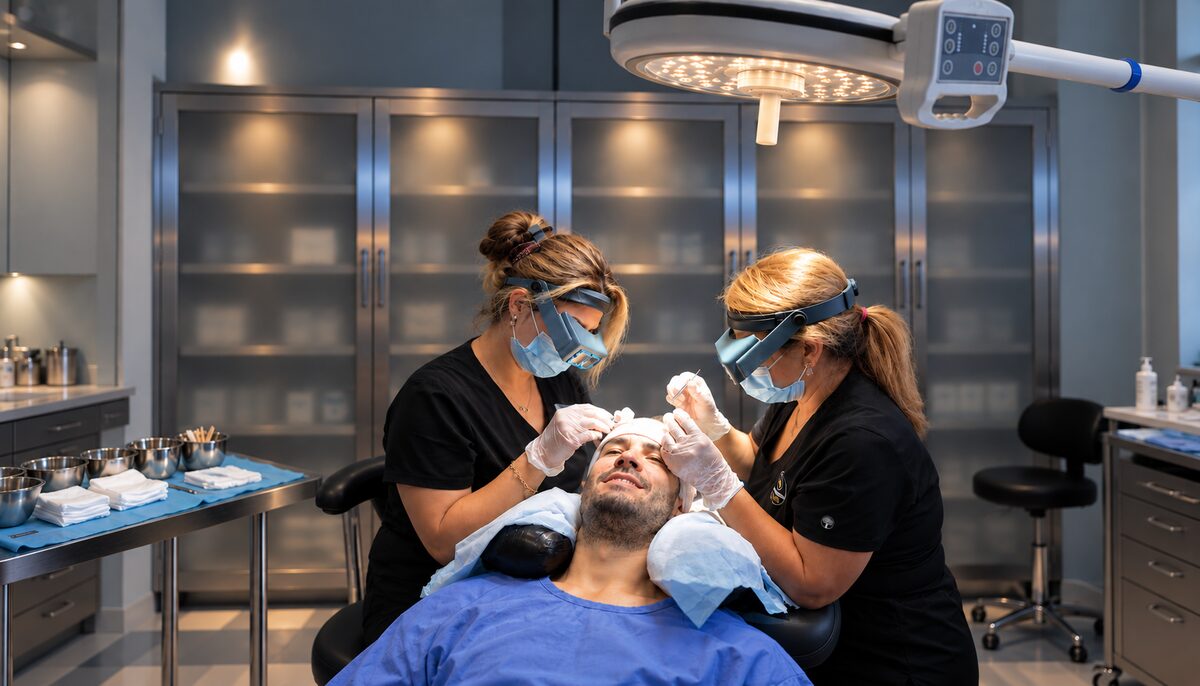
What Sets Our PRP Treatment Apart?
Not all PRP treatments are created equal. At our Long Island consultation clinic, we differentiate ourselves by using advanced PRP technology designed to produce a highly concentrated preparation. While individual responses to PRP can vary, our system is designed to deliver the best possible outcomes under typical conditions. We also utilize a high-quality lab system with a strong track record.
Traditional PRP injections often use device-style injectors, which may not penetrate deeply enough to effectively stimulate the hair shaft and the underlying structures essential for hair growth. For successful hair restoration, it’s crucial that PRP is administered precisely and reaches the appropriate depth within the skin. That’s why our clinic ensures that only trained, highly skilled clinicians perform this delicate procedure, maintaining a high standard of care for our patients.
Unlike some other clinics, we ensure that our Long Island patients receive safe and effective PRP treatments. We are also committed to providing comprehensive information about the procedure. Our team offers transparent advice on the suitability of PRP injections for your case and will thoroughly evaluate alternative treatments based on your specific needs and desires. Our goal is to help you find the best strategy for promoting and maintaining hair growth. PRP is not a replacement for hair transplant surgery, but it can be an ideal option for those in the early stages of hair loss, women experiencing hair thinning, or patients undergoing hair transplant procedures. When combined with PRP, hair transplant procedures have the potential for superior results.