
Hair Transplant Recovery Long Island
Navigating Hair Transplant Recovery in Long Island
Considering a hair transplant but unsure about the procedure and if it’s the right choice for you? This guide will provide you with all the recovery details, instructions, and information you need to make an informed decision.
If you’re thinking about getting a hair transplant, the ease of recovery is a major factor contributing to its growing popularity. Recovery times can vary based on the individual and the specific method used. Typically, the initial recovery period lasts about 7 to 10 days. During this time, you might experience some minor discomfort and swelling, but this phase is generally quite manageable. It’s important to remember that the full results of a hair transplant will develop gradually. Over the months following the procedure, the transplanted hair will begin to grow, revealing the final outcome. This gradual progress of results is normal and part of the natural hair growth process.
With modern techniques and streamlined recovery protocols, more people are choosing hair transplants to address hair thinning and regain their confidence. That being said, read along to learn more about the recovery process following a hair transplant in Long Island.
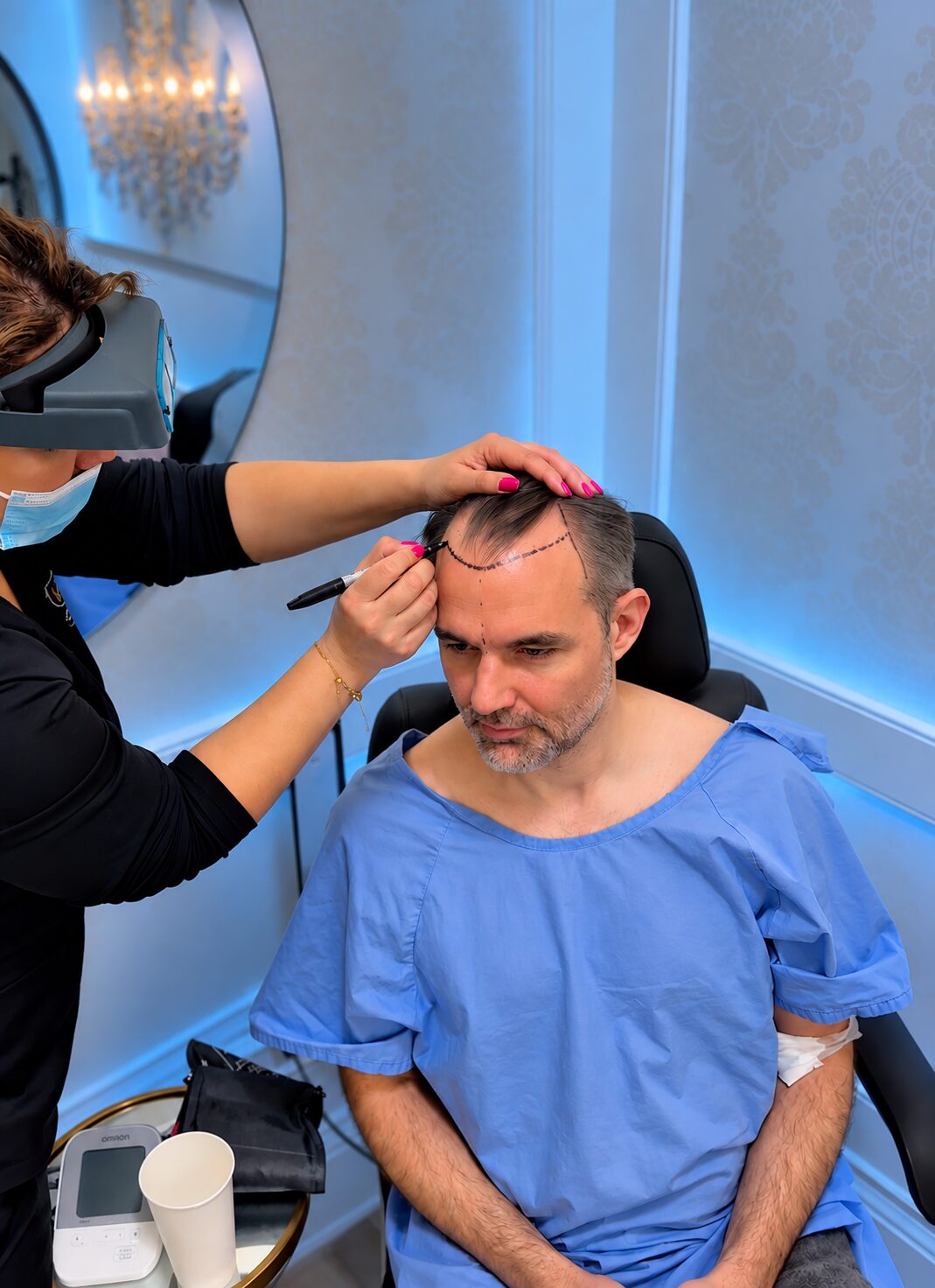
Before & After Gallery
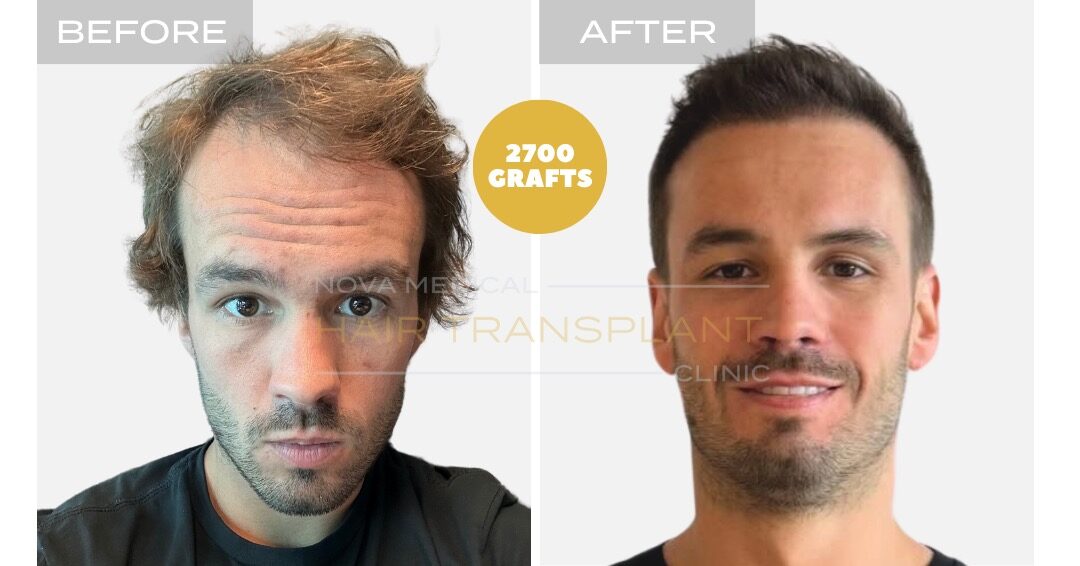
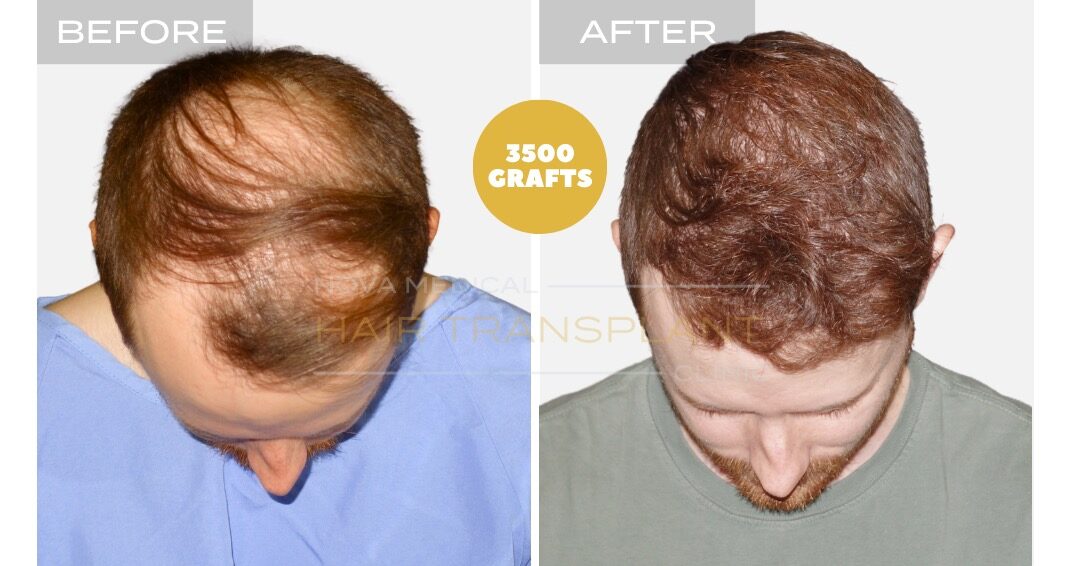
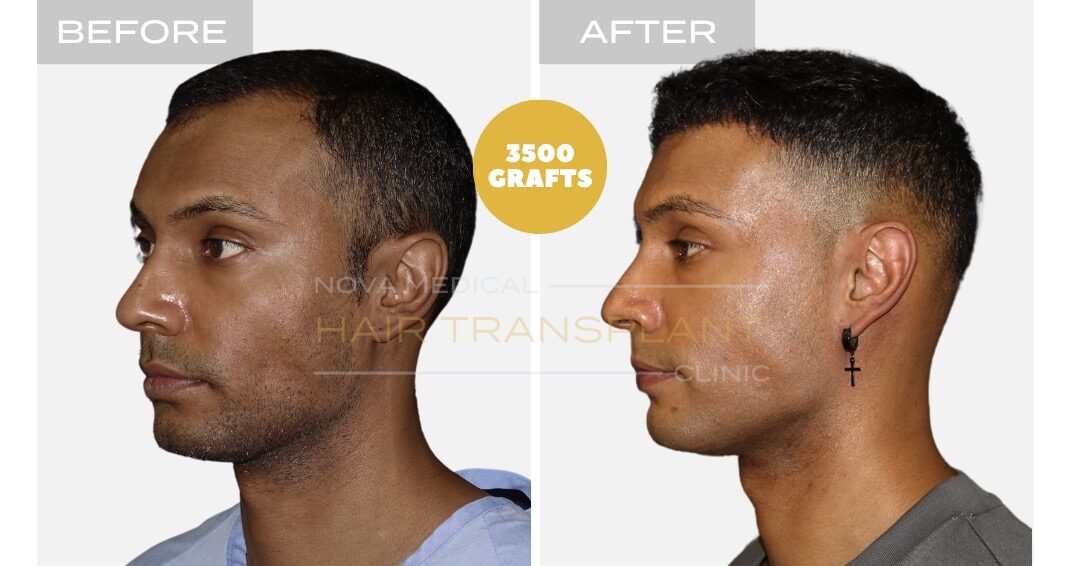
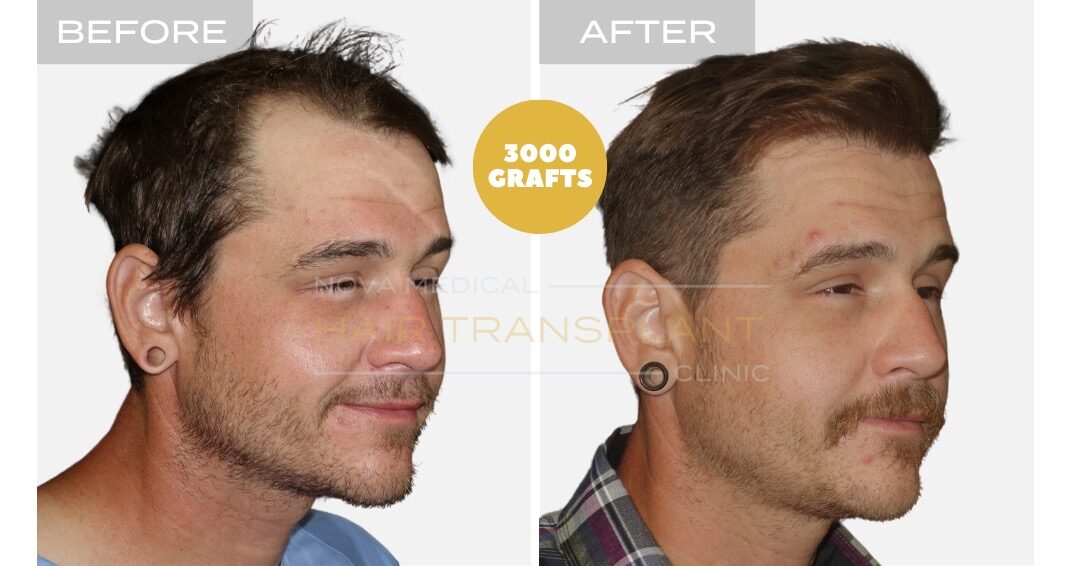
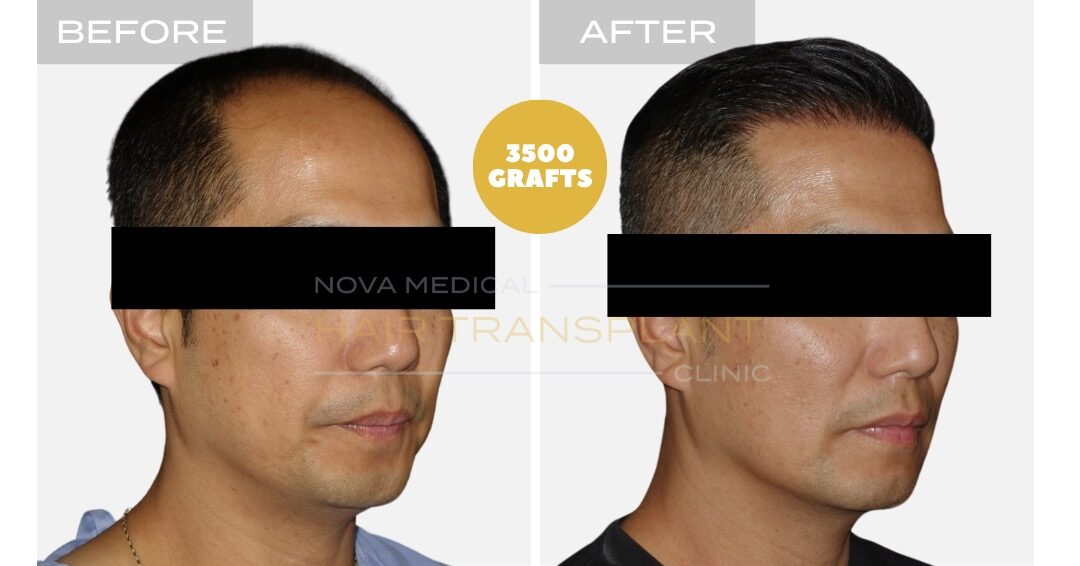
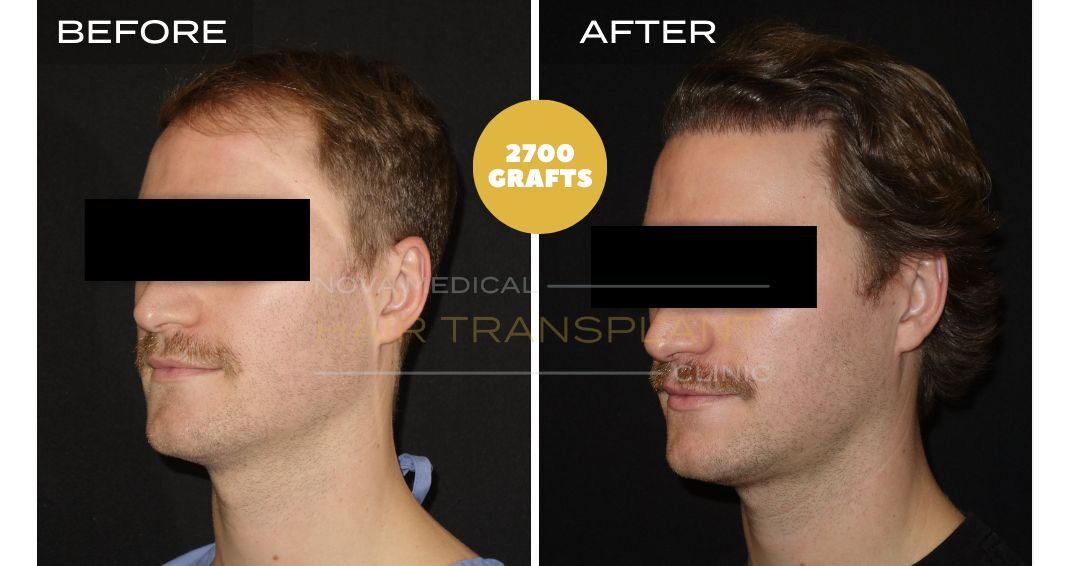
Your Recovery Week by Week
Here is what a normal recovery looks like, stage by stage, so you know how to look after your scalp at each point.
The day after your hair transplant in Long Island, you might feel some mild discomfort and notice swelling in the scalp area. Light scabbing or crusting around the transplanted hair follicles is also normal. Our team will provide detailed instructions for post-procedure care, including avoiding hot showers or baths, using a gentle shampoo, and steering clear of activities that could disturb the treated area.
We advise against engaging in strenuous physical activities, such as heavy lifting or intense exercise, for a specific period. At Nova Medical Hair Transplant, we prioritize your recovery and maintain ongoing communication both before and after your surgery. That said, our specialists will monitor your progress closely to ensure you are healing well. The first few days after a hair transplant are crucial for the success of the procedure. Carefully following our instructions and taking good care of yourself during this period is vital for achieving the best possible results.
After one week of recovery from your hair transplant, you’ll start to see noticeable improvements in your healing. Remember, this process is gradual. By now, any initial swelling or discomfort should be subsiding, and the scabs or crusts around the transplant sites are likely to begin loosening and shedding.
At Nova Medical Hair Transplant, we usually recommend using a gentle shampoo to care for your scalp during this period. It’s important not to scratch or pick at the scabs, as this can disrupt the new grafts. Additionally, you should avoid activities that could cause sweating or put your scalp at risk of injury. Some patients may notice hair shedding at this stage, but this is a normal part of the recovery process and not a cause for concern.
At the one-month mark after your hair transplant, you may begin to see the early signs of new hair growth, which can be quite encouraging. The grafts are settling into their new locations, and you might experience some itchiness or sensitivity on your scalp. During this stage, it’s important to continue following the guidelines provided by our specialists. This usually includes using a gentle shampoo, refraining from scratching or disturbing the scalp, and avoiding activities that could cause sweating or impact the scalp area. Protecting your scalp from prolonged sun exposure is also advisable, and wearing a hat when outdoors can help with this.
Hair shedding at this point is normal as the new follicles transition into the growth phase. This shedding is a positive sign that the new growth cycle is starting. By diligently caring for your scalp and adhering to the post-operative instructions from your specialist, you are setting the foundation for optimal growth, leading to a fuller, healthier head of hair in the months to come.
By now the new coverage is easy to see, and each month the hairs grow a little thicker and blend further into the hair around them.
As you reach the one-year milestone after your hair transplant, you’ll likely notice significant improvements with substantial new hair growth and a fuller head of hair. The transplanted follicles will have fully adapted to their new environment and will be actively growing strong, healthy strands. Any scarring or redness around the transplant site should have greatly diminished by now. This is the time to enjoy the full benefits of your hair restoration procedure, proudly displaying a restored, natural-looking hairline that can greatly boost your confidence and self-image. The results of a hair transplant are meant to be long-lasting, but it’s essential to continue caring for your scalp and hair to maintain these results for years to come.
Request a Free Consultation
No obligation • Same-week availability
What TO Do
- Follow the written aftercare plan from our Long Island team step by step
- Keep your head raised at roughly 45 degrees for the first three nights to reduce swelling
- Take all prescribed medication, antibiotics and pain relief included, exactly as directed
- Begin gentle washing after day three, using the technique our nurse demonstrates
- From week two, wear a loose, soft hat outside to keep sun off your scalp
- Stay well hydrated and eat properly to help healing and graft survival
- Leave scabs to drop off naturally rather than picking at them
- Attend each follow-up so we can check and document your progress
What NOT To Do
- Hold off on hard workouts, heavy lifting and cardio for at least two weeks
- Stay out of pools, the ocean and hot tubs for at least four weeks
- Avoid long stretches in direct sun for four weeks, since UV can damage new grafts
- Skip alcohol for at least a week; it thins the blood and slows healing
- Do not smoke while you recover, because nicotine cuts blood flow to the grafts
- Keep your hands off the grafted area, with no rubbing or scratching, for two weeks
- For three weeks, nothing snug on your head: no tight caps, helmets or headbands over the grafts
- Wait at least six weeks before dye, bleach or other chemical treatments
Your Growth Milestones
The main checkpoints most patients pass on the way to their final result.
Day 0-14
Grafts Settle and Anchor
Week 2-4
Temporary Shedding (Shock Loss)
Month 3-4
Regrowth Starts
Month 6-8
Clear Gain in Density
Month 9-18
Final Result
Understanding Shock Loss
Between two and four weeks after surgery, most transplanted hairs drop out. This shock loss is part of normal healing, not a sign that anything went wrong: the visible shaft sheds while the follicle underneath stays alive and anchored.
It is simply a rest period. After being moved, follicles take a few months off, then begin producing new, permanent hair at around three to four months. Expect it, and it will not worry you.
Medication and Supplements After a Hair Transplant
An important yet often overlooked aspect of post-transplant care is how certain supplements and medications can affect your recovery. Common substances like ginseng, garlic supplements, and omega-3 fatty acids, while beneficial for overall health, can increase bleeding risks due to their blood-thinning properties. The same is true for various anti-inflammatory medications.
If these are not medically necessary, it’s recommended to temporarily stop taking them.
Being open with your surgeon about all the supplements and medications you’re using is essential so they can assess any potential risks and provide the best guidance for a safe recovery.
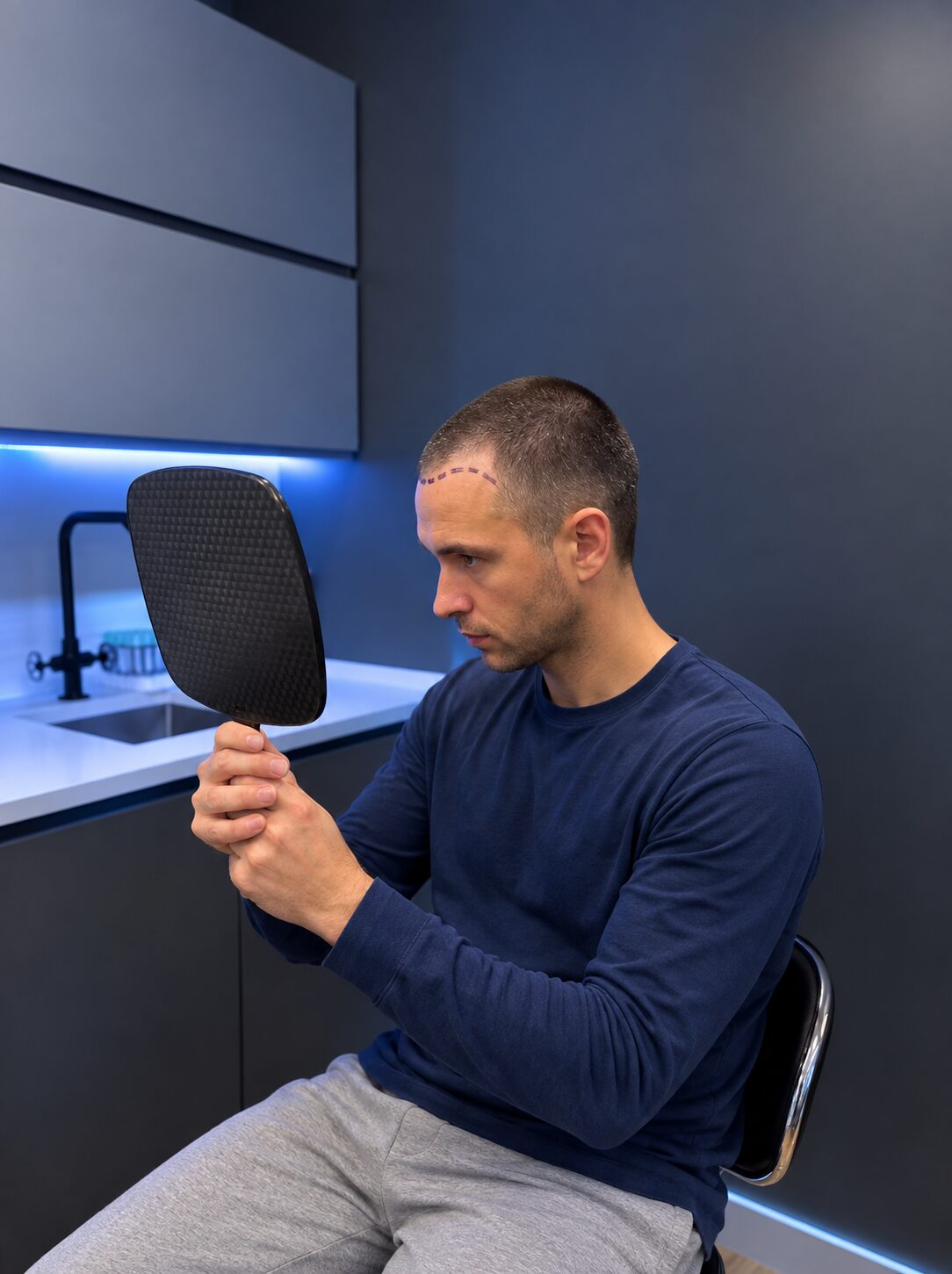
Post-Hair Transplant Care: Dos and Don'ts
Medications: To minimize any risk of infection after your hair transplant, you will be prescribed antibiotics, even though our advanced microsurgery techniques keep this risk very low.
Protecting Your Scalp from Sun Exposure: During the recovery phase, especially in warm or sunny climates, it’s crucial to shield your scalp from the sun. We recommend wearing a loose, comfortable hat when outdoors for the first two weeks and using sunscreen regularly throughout the year to protect your scalp.
Gentle Hair Care Practices: To ensure the delicate grafts are not disturbed after surgery, your surgeon may suggest using a spray-on shampoo instead of traditional washing methods. Gentle rinsing with clean water can start a few days after the procedure, but avoid vigorous scrubbing or touching the graft area. Using specialized hair growth products, such as Revivogen Bio-Cleansing Shampoo and Thickening Conditioner, can provide safe and nourishing care for your scalp.
If you have any concerns or questions about the recovery process after your hair transplant, don’t hesitate to reach out to us. Our dedicated team in Long Island is here to support you from your initial consultation through to your complete recovery. Recognizing that every patient’s situation is unique, we collaborate with you to develop a treatment plan tailored to your specific goals and needs. Contact us today to schedule a consultation and find out how we can help you achieve a full, healthy head of hair.
How to Prepare for Your Procedure
-
1
Medications & Supplements
Some medicines and supplements increase bleeding. Unless your doctor tells you otherwise, avoid them before surgery; written guidance is sent ahead of time.
-
2
Postpone Hair Coloring
If you regularly color your hair, it’s best to stop this practice a week or two before your procedure and wait for 6 to 8 weeks afterward. For our Long Island patients, we recommend choosing gentle and safe hair coloring products, but only after receiving clearance from your surgeon. Your surgeon will give you specific guidelines based on your health, the procedure, and your individual needs.
-
3
Arrive With a Clean Scalp
Shampoo well on the morning of surgery unless we have said otherwise.
Nova Medical's Board of Surgeons
Every recovery and aftercare plan at our Long Island clinic is backed by experienced physicians whose credentials you can check.
Dr. Jeffrey Spiegel
Boston, USA - Facial plastic surgeon and founder of The Spiegel Center, known internationally for his work in facial aesthetics and hair restoration.
Dr. Val Prokurat
Melville, Long Island - Dr. Val Prokurat, MD, oversees hair restoration at Nova Medical's Long Island clinic, with a focus on carefully planned, natural-looking results.
Dr. Adam Rubinstein
Florida, USA - Plastic surgeon certified by the American Board of Plastic Surgery, with advanced training in aesthetic plastic surgery.