
FUE Long Island
Achieving a Great Hairline with FUE in Long Island: Safe and Natural Results
Hair loss can be a distressing experience, affecting not only your appearance but also your confidence and self-esteem. For those seeking a permanent solution to hair thinning and balding, the FUE hair transplant technique offers a state-of-the-art option.
Known for its precision, minimal scarring, and natural-looking results, FUE has become a preferred choice for individuals looking to restore their hair with minimal downtime and long-lasting effects.
At Nova Medical Hair Transplant in Long Island, we specialize in delivering exceptional FUE hair transplant services tailored to meet your unique needs and aesthetic goals.
What is FUE?
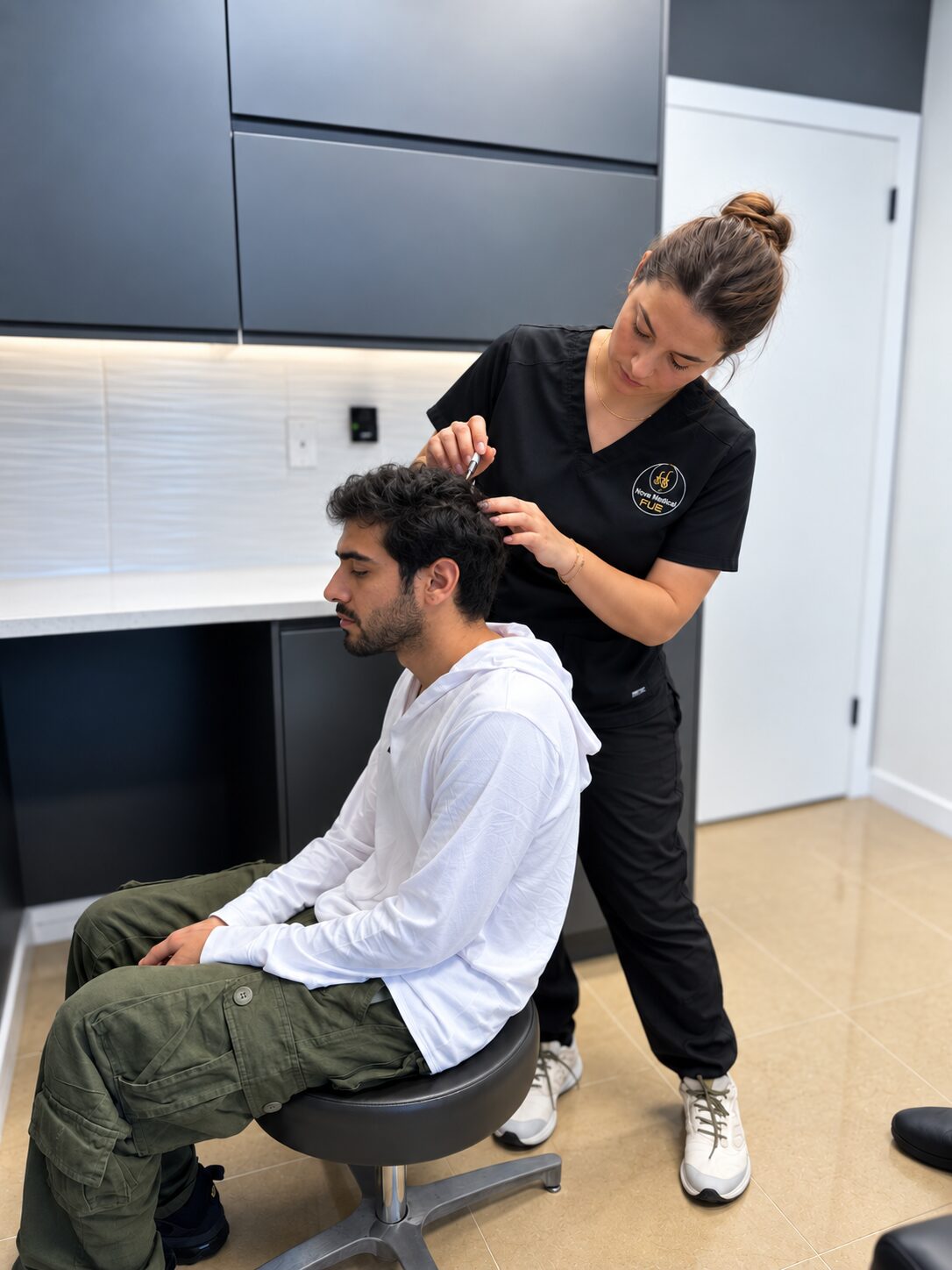
FUE, or Follicular Unit Extraction, is a hair transplantation method that involves the meticulous removal of individual hair follicles from a donor area, typically at the back or sides of the scalp. Unlike the traditional FUT method, which involves removing a strip of scalp, FUE uses a specialized 1-millimeter punch device to extract hair follicles directly. This technique results in tiny, nearly invisible scars that heal quickly, allowing the donor area to be kept very short without any noticeable signs of the procedure.
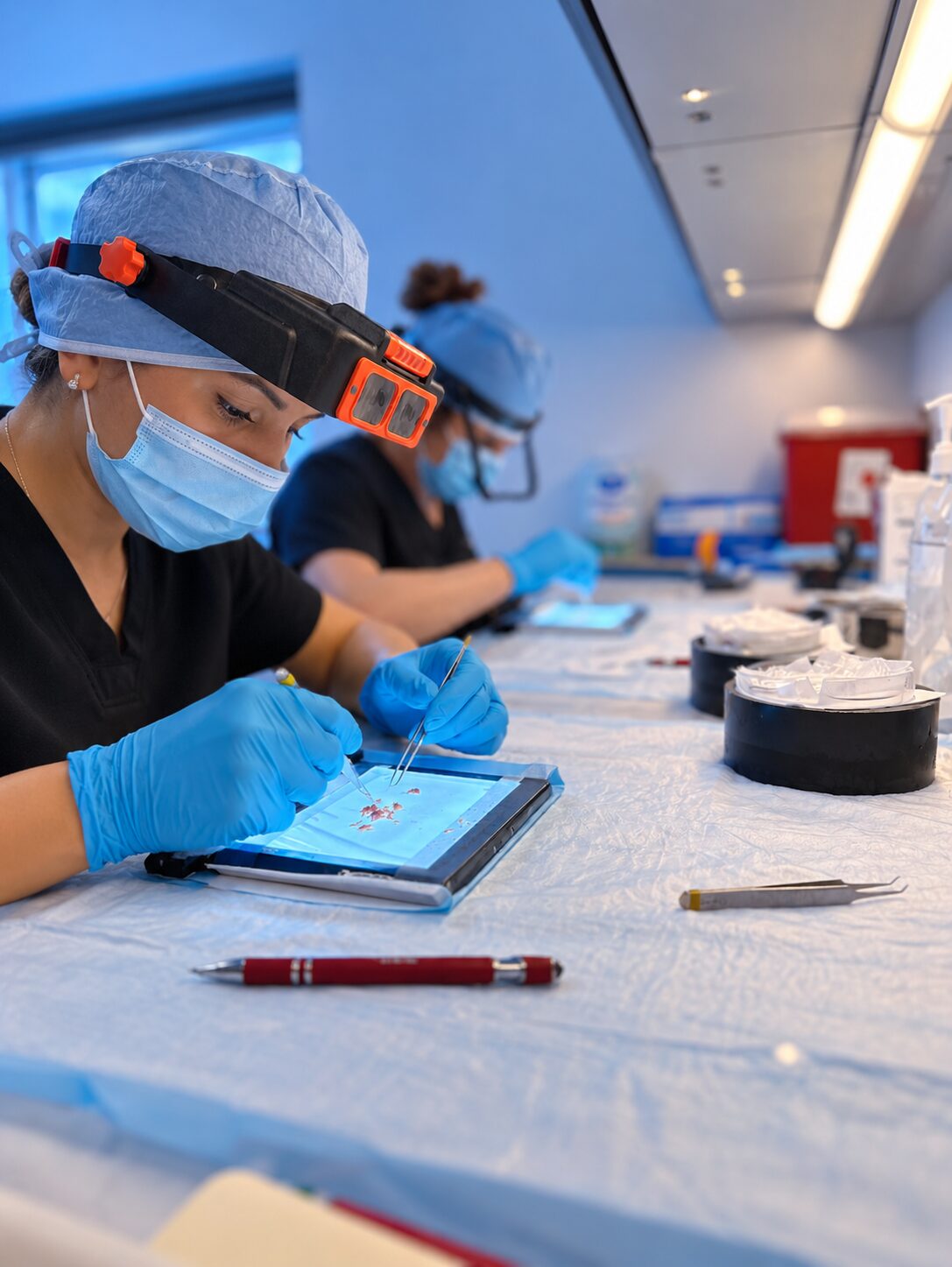
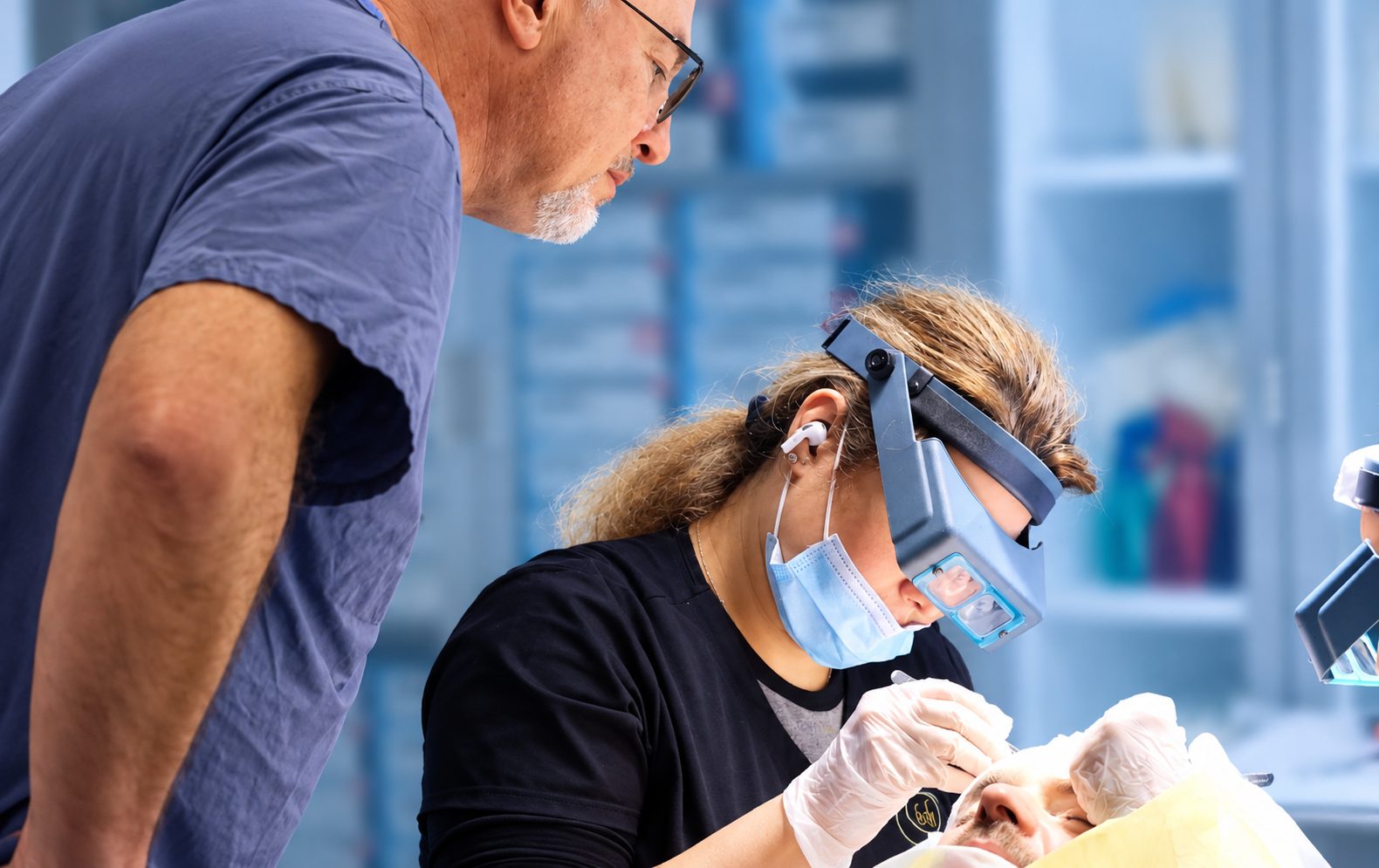
At our hair transplant clinic in Long Island, we avoid robotic or automated systems for extraction. Instead, every follicle is meticulously extracted by hand by our professional technicians and skilled team, ensuring unmatched accuracy.
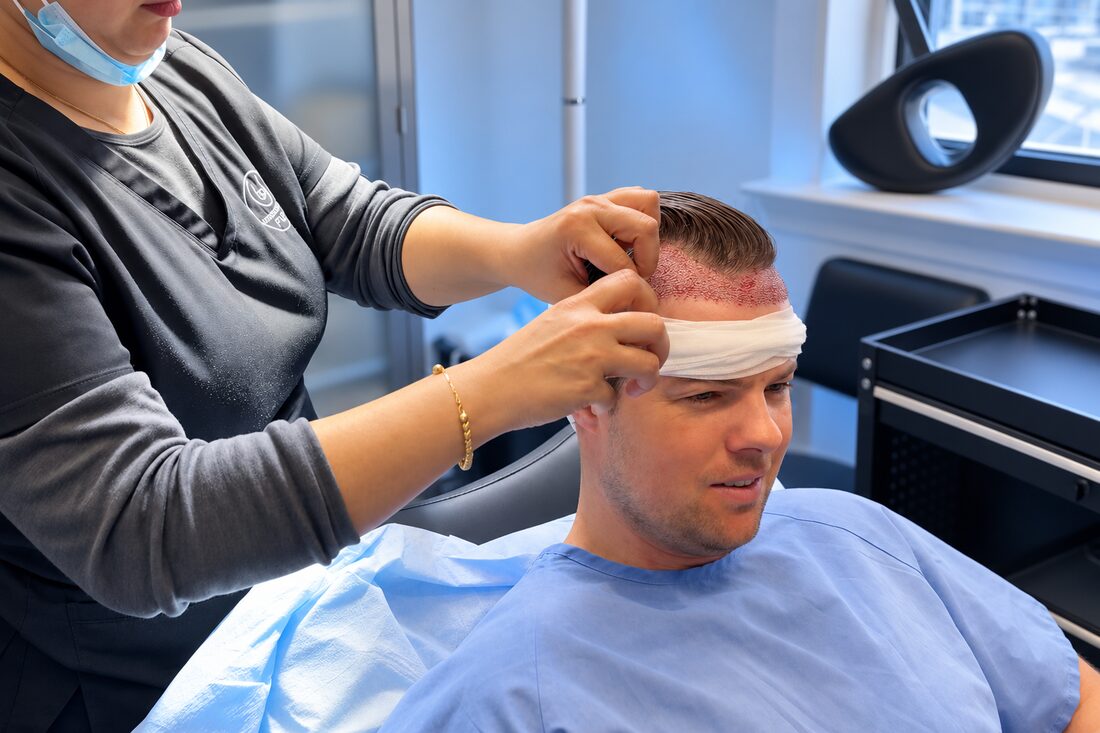
After the follicular units are gathered, we employ delicate microsurgical tools and enhanced magnification to implant these grafts with precision into the hairline and other scalp regions experiencing baldness or thinning. While FUE surgery does create small, dot-like scars in the donor area, approximately 80% of our male patients choose FUE because it’s less invasive and does not produce a long, linear scar. This typically enables individuals to wear their hair very short or even shave it at the back and sides of the head without worrying about noticeable donor scars.
For the majority of patients, FUE is associated with minor discomfort and a short recovery time, producing outcomes that look completely natural. Hair loss can deeply impact one’s self-esteem, and we believe hair transplantation offers a transformative solution that not only restores hair but also rebuilds confidence.
Dr. Val Prokurat, MD, oversees every FUE plan at our Melville clinic, checking that the graft count, hairline position and placement angles agreed at your consultation are exactly what the team delivers on the day.
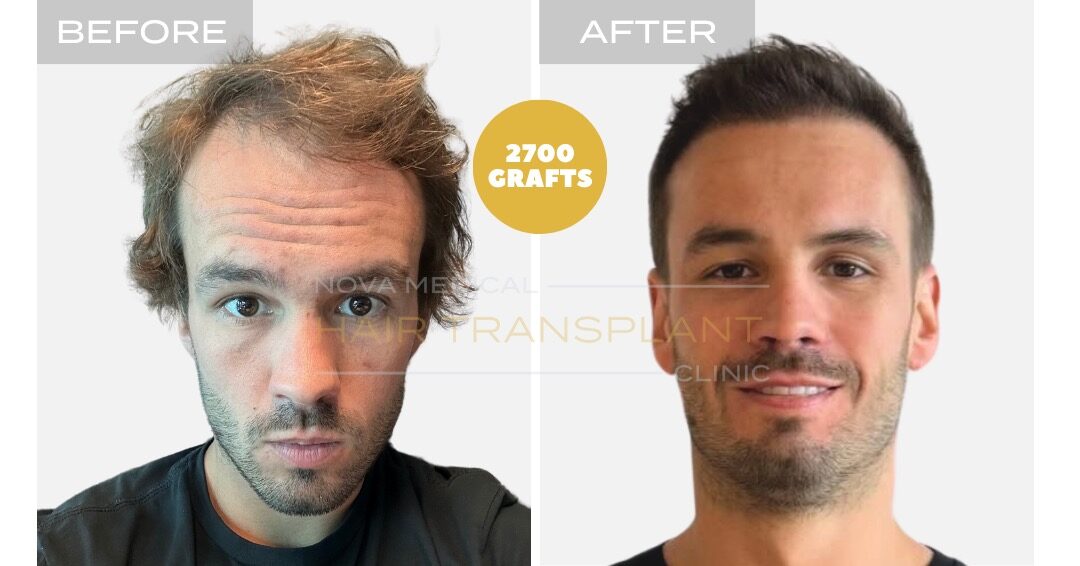
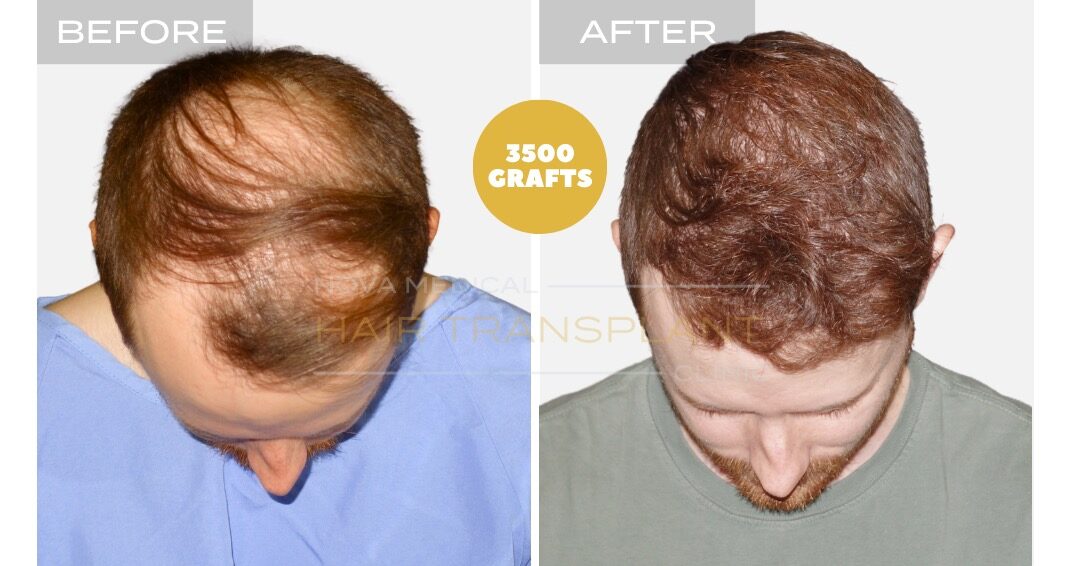
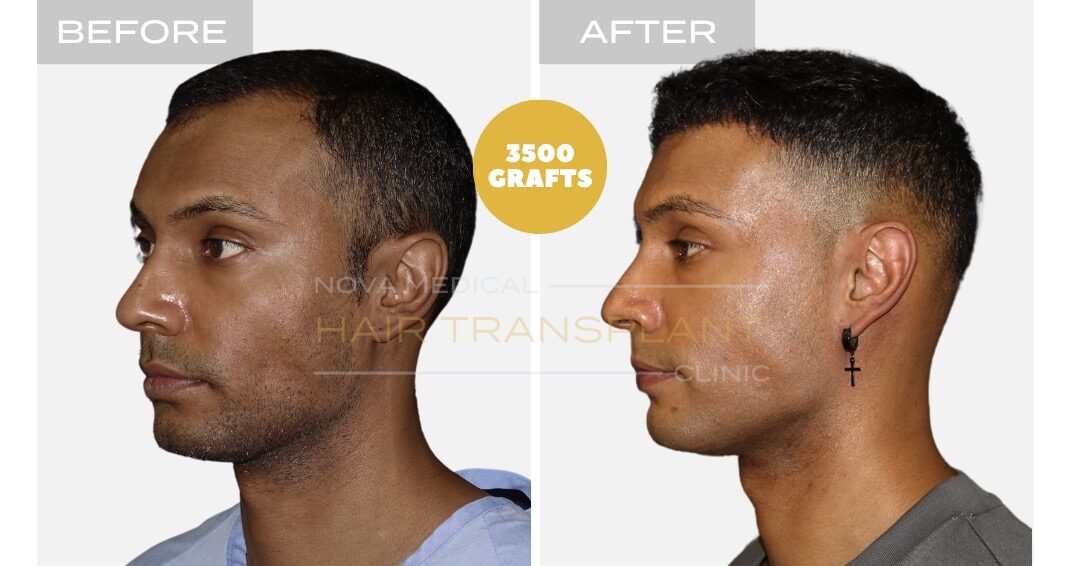
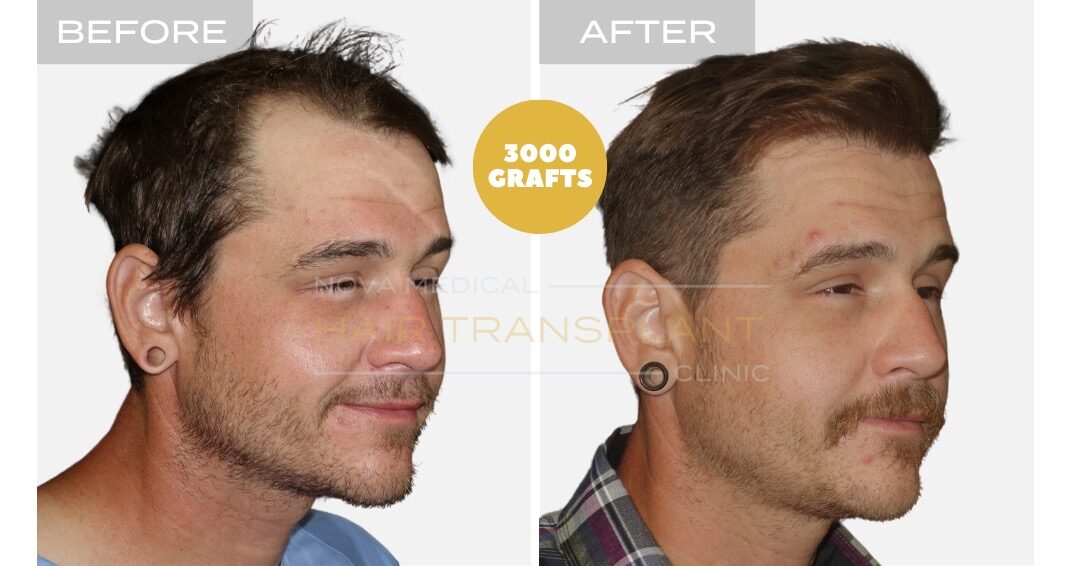
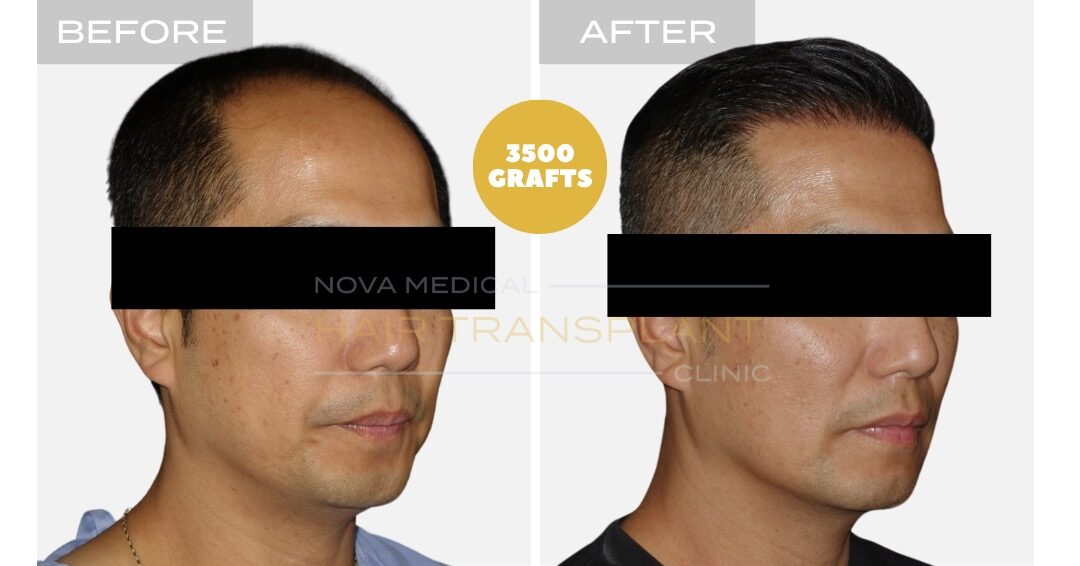
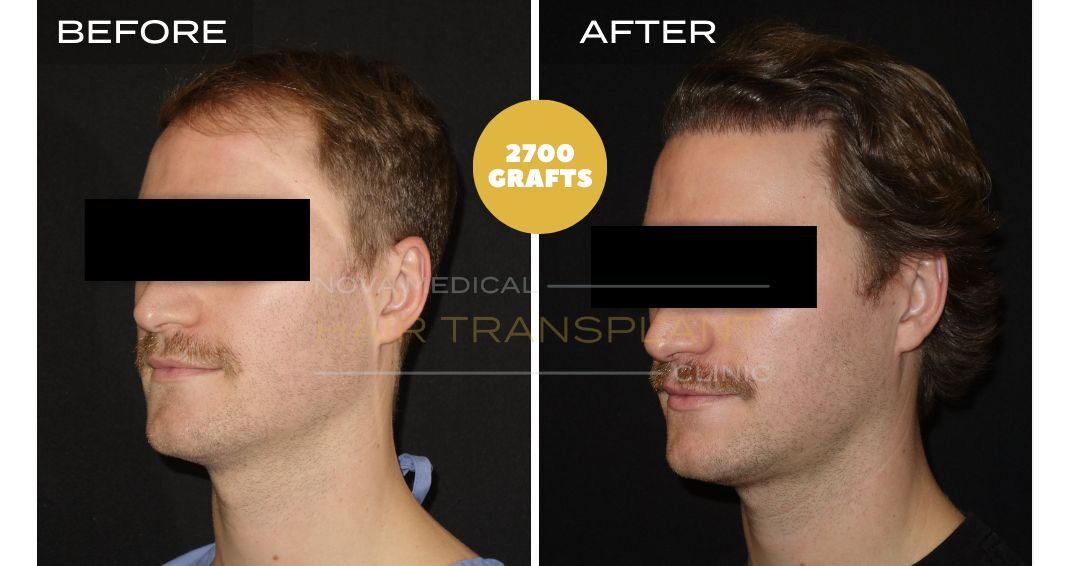
Before & After Gallery
How an FUE Hair Transplant Unfolds
-
1
Consultation & Scalp Assessment
We start by examining your scalp under magnification: where you are losing hair, how much healthy donor hair you have and what result you are hoping for. You leave with an estimated graft count and a plan written for you.
-
2
Hairline Mapping
Your new hairline is marked on your scalp and refined together with you until its height, shape and temple points suit your face. The edge is kept soft and a little irregular, the way a natural hairline looks.
-
3
Hand Extraction
After local anesthetic takes effect, the team lifts out follicular units individually using a sub-millimeter punch. Those small openings seal over in a few days, with no strip scar left behind.
-
4
Precise Implantation
Each graft is set into its own site at the same angle and depth as the hair around it, so it points the way your existing hair does and blends in without a seam.
-
5
Recovery & New Growth
The transplanted hairs usually shed in the first few weeks. New growth starts around month four and continues to fill in until the final result appears at roughly 12 to 18 months.
FUE Hair Transplant Cost in Long Island
The cost of an FUE hair transplant in Long Island depends on various factors, including the number of follicles required, previous treatments, and the specifics of the donor and recipient areas. Our clinic is dedicated to providing the most natural-looking hair at competitive prices, with transparent per-graft pricing. This approach allows you to understand exactly what you’re paying for based on your individual needs.
Rebuilding just the hairline and restoring the whole top of the scalp are very different jobs, so we only quote once your scalp has been examined and the plan agreed. You can see our current per-graft rates on the hair transplant cost page.
We recognize the importance of affordability and strive to make our services accessible. In order to assist you in achieving natural hair restoration without incurring financial strain, we provide a variety of financing alternatives. Our goal is to combine high-quality care with cost-effective solutions, ensuring you receive the best value for your investment.
Request a Free Consultation
No obligation • Same-week availability
How Long Does a FUE Hair Transplant Take?
The length of an FUE hair transplant procedure in Long Island can vary, generally taking between 4 to 10 hours, depending on the number of grafts needed. For an average session involving 2500-3000 follicular units, the procedure can last up to 8 hours. Despite the extended duration, our patients often describe the experience as comfortable and relaxing.
During the transplant, patients can choose to listen to music, enjoy podcasts, watch movies on Netflix, or simply unwind.
To ensure a pleasant experience, we provide meals, snacks, and frequent breaks throughout the day, making the process as comfortable and enjoyable as possible.
Who is an Ideal Candidate for an FUE Hair Transplant?
Choosing to have a hair transplant frequently results from a desire to match your look to how you see yourself and how you want other people to see you. While both FUT and FUE methods have their distinct advantages, FUE is particularly ideal for those seeking a permanent, less invasive solution with minimal recovery time. It is especially suitable for individuals who prefer to keep their hair short or even completely shaved, as FUE does not leave a significant linear scar.
At Nova Medical Hair Transplant, our expertise in both FUE and FUT procedures allows us to provide personalized treatment plans tailored to your specific needs. Our experienced surgeon and technicians will help you determine the best technique for your situation. Currently, in Long Island, FUE is the preferred method for the majority of our male patients, offering a seamless blend of effectiveness and convenience.
- Men whose thinning ranges from early temple recession to significant loss on top
- Loss that has slowed down or held steady over the last year
- A donor area with enough healthy hair to spare
- Good general health, and ideally no smoking, so healing goes smoothly
- Clear, realistic expectations agreed at your consultation
- Women with traction loss, a high hairline or scarring from injury
Benefits of FUE Hair Transplantation
When deciding on hair restoration, it’s important to choose a procedure that aligns with your needs and lifestyle. Here are the main advantages of choosing FUE hair transplantation with our skilled team in Long Island:
No Visible Scarring
A major benefit of FUE is the lack of a noticeable linear scar. This is ideal for those who prefer short haircuts or want to keep their styling options open.
Quick Recovery and Minor Downtime
FUE is renowned for its minimally invasive nature. Unlike traditional methods that may leave a linear scar and require stitches, FUE involves small donor sites that usually heal within a few days. This means you can quickly resume your normal activities.
Improved Appearance and Confidence
A fuller head of hair can significantly enhance your appearance and boost your self-confidence. FUE provides natural-looking results that help restore the self-esteem that may have been diminished by hair loss.
Gentle on the Scalp
All that FUE requires is local anesthetic and a punch narrower than a millimeter, so the surrounding skin is left almost untouched and there are no stitches, staples or long incisions.
Long-Lasting Results
FUE transplants use hair follicles from the “permanent donor area,” ensuring that the transplanted hair will grow naturally for a lifetime. This offers a lasting solution to hair loss, particularly beneficial for men.
Suits Every Hair Texture
Fine, straight, wavy or tightly coiled, any hair type can be transplanted with FUE as long as each follicle is extracted along its natural angle, which is how patients of every background get a natural result.
FUE for Scar Revision and Correction
Did you know that FUE can effectively address scar correction? At Nova Medical Hair Transplant in Long Island, our team, overseen by Dr. Val Prokurat, MD, brings advanced expertise to the field of scar revision and camouflage. We understand that scars from previous surgeries, such as FUT strip procedures, can be a significant concern.
Our approach to FUT strip surgeries involves cutting-edge trichophytic closure techniques, which generally result in barely noticeable fine-line scars. However, for those with visible scarring - especially from multiple procedures performed elsewhere - we offer innovative solutions. By utilizing FUE, we can expertly transplant hair into existing FUT scars, significantly diminishing their visibility. Additionally, we may suggest other techniques, such as surgical scar revision or scalp micropigmentation, for a more comprehensive approach to scar improvement.
At our Long Island clinic, we are committed to not only enhancing your hair’s appearance but also restoring your confidence by minimizing any signs of previous hair restoration procedures.
Why Choose Nova Medical for Your FUE Hair Transplant?
Choosing the right place for your hair transplant is a significant decision. Here’s why you should choose Nova Medical Hair Transplant in Long Island:
- Commitment to Patient Satisfaction: Our primary goal is to ensure complete patient satisfaction through personalized care and excellent results.
- Natural Follicular Unit Extraction Services: We offer cutting-edge follicular unit extraction services, ensuring top-notch outcomes.
- Fully Accredited Surgical Facility: Our clinic maintains the highest standards of safety and comfort in a fully accredited surgical facility.
- Comprehensive Hair Restoration Services: We provide a full range of hair restoration options, including medical treatments, FUT and FUE transplants, surgical hairline advancements, and PRP therapy.
- Philosophy of Modern Hair Transplantation: We believe that having a hair transplant nowadays should be empowering and improve quality of life, helping our patients look and feel their best.
- Tailored FUE Options: We offer a wide array of FUE options tailored to each individual’s unique situation and goals.
- Lasting Relationships: We are dedicated to creating lasting relationships with our patients, ensuring ongoing support and satisfaction.
We invite you to discover the difference at our clinic through a personal consultation. Experience our dedication to excellence and commitment to helping you achieve your hair restoration goals.
Every FUE case at our clinic on Broadhollow Road in Melville is overseen by Dr. Val Prokurat, MD, and handled by a team that works to the same protocol on every procedure, so the results in our gallery reflect what you can expect.
FUE is one of several options here. We also perform DHI, beard and eyebrow transplants and hair restoration for women, so your plan follows your goals rather than a single technique.
Preparing for Your FUE Hair Transplant Procedure
-
1
Medications & Supplements
Prior to your FUE procedure in Long Island, our clinic will provide you with a comprehensive preparation guide. We will begin by thoroughly reviewing your medical history and discussing any medications you are currently taking. Most medications can typically be continued right up to the day of your procedure. For those on blood thinners such as Aspirin, Coumadin, or Plavix, our doctor will offer specific advice on how long you should pause these medications safely. Stop taking anti-inflammatory medications, as well as vitamins E and B, at least one week before your surgery, as they could affect the procedure’s success.
-
2
Substances to Avoid
Avoid anti-inflammatory drugs, certain vitamins and supplements, and alcohol for at least a week before the procedure, as these can increase bleeding and affect the grafting process. Refrain from smoking and consuming alcohol one week before the surgery to promote optimal healing, and minimize smoking before the surgery, as it can slow down the healing process.
-
3
On the Day of Your Procedure
On the day of your surgery, wash your hair thoroughly with shampoo and conditioner to ensure a clean operative area. Our surgeon and team will go over all pre-operative instructions and prescriptions with you. We will show you how to care for your scalp and wash your hair after the procedure. You will receive a detailed list of “do’s and don’ts,” including information on when you can resume normal activities. Adhering to these instructions carefully will help ensure the best possible outcome for your hair restoration journey.
FUE Hair Transplant - Your Recovery Timeline
- Day 1
After the procedure, you’ll leave with a light gauze covering the donor area. The grafts themselves will not be covered, and you’ll be instructed to keep the area clean and hydrated with a special spray. Any mild swelling or discomfort can be managed with prescribed medications. You’ll also receive detailed care instructions for the first few days.
- Day 2
The gauze is removed from the donor area. Some minor discomfort and swelling may persist but can be managed with the provided medications. You can resume non-strenuous work and daily activities.
- Days 3-5
During this time, swelling may reach its peak and spread to the cheeks and eyelids, giving the appearance of puffiness. This is typical and will pass quickly. You can start using the recommended methods to gently wash your hair.
- Days 5-6
Swelling starts to subside, and discomfort begins to decrease at this point of your recovery.
- Days 7-10
At the first week mark you can wash your hair more thoroughly to help remove any remaining scabs. If you also had an FUT procedure, an appointment may be scheduled for a check-up and suture removal. Light exercise can be reintroduced at this point.
- Days 14-21
By now, all of the scabs should have fallen off. During this phase, the donor hairs usually fall out, but the follicles stay intact and dormant. At this stage, swimming and other strenuous sports can be performed.
- Months 3-6
New hair growth will begin to emerge at the 3-month mark. This stage requires patience, as hair growth is gradual and will continue to improve over time.
- Months 12-18
The final results of your hair transplant will be fully visible, showcasing the success of the procedure and providing a fuller, natural-looking hairline.
Post-Procedure Expectations Following FUE
After undergoing an FUE hair transplant in Long Island, you can expect minimal discomfort and a quick recovery: FUE is less invasive than traditional hair transplant methods, resulting in less discomfort and a faster recovery period.
You can return to most of your usual activities the next day, with no need for extensive post-procedure maintenance.
The small incisions in the donor area for follicle extraction do not require stitches. These will form scabs that will heal over time and become barely noticeable.
Recovering from an FUE hair transplant in Long Island, which is minimally invasive, generally takes about one week. After the procedure, a gauze bandage covers the donor area and is typically removed the following day. The tiny extraction sites start healing within 2-3 days and become nearly invisible by the end of the week, looking like a very short haircut.
The recipient area, where the grafts are placed, will develop crusts and scabs that persist for about a week. Swelling in the grafted region is common for a few days post-procedure and may extend to the eyelids and cheeks, causing a temporary swollen look. This is a normal, expected outcome and should subside within 2-3 days.
Most patients opt to take a few days off work after their FUE transplant, although light activities like using the phone and computer can often be resumed the same day. Signs of the transplant, including swelling and redness, usually fade within a week, making the procedure less noticeable. Light exercise can generally be resumed after 5-7 days, while more strenuous activities and swimming should be avoided for 2-3 weeks to ensure proper healing.