
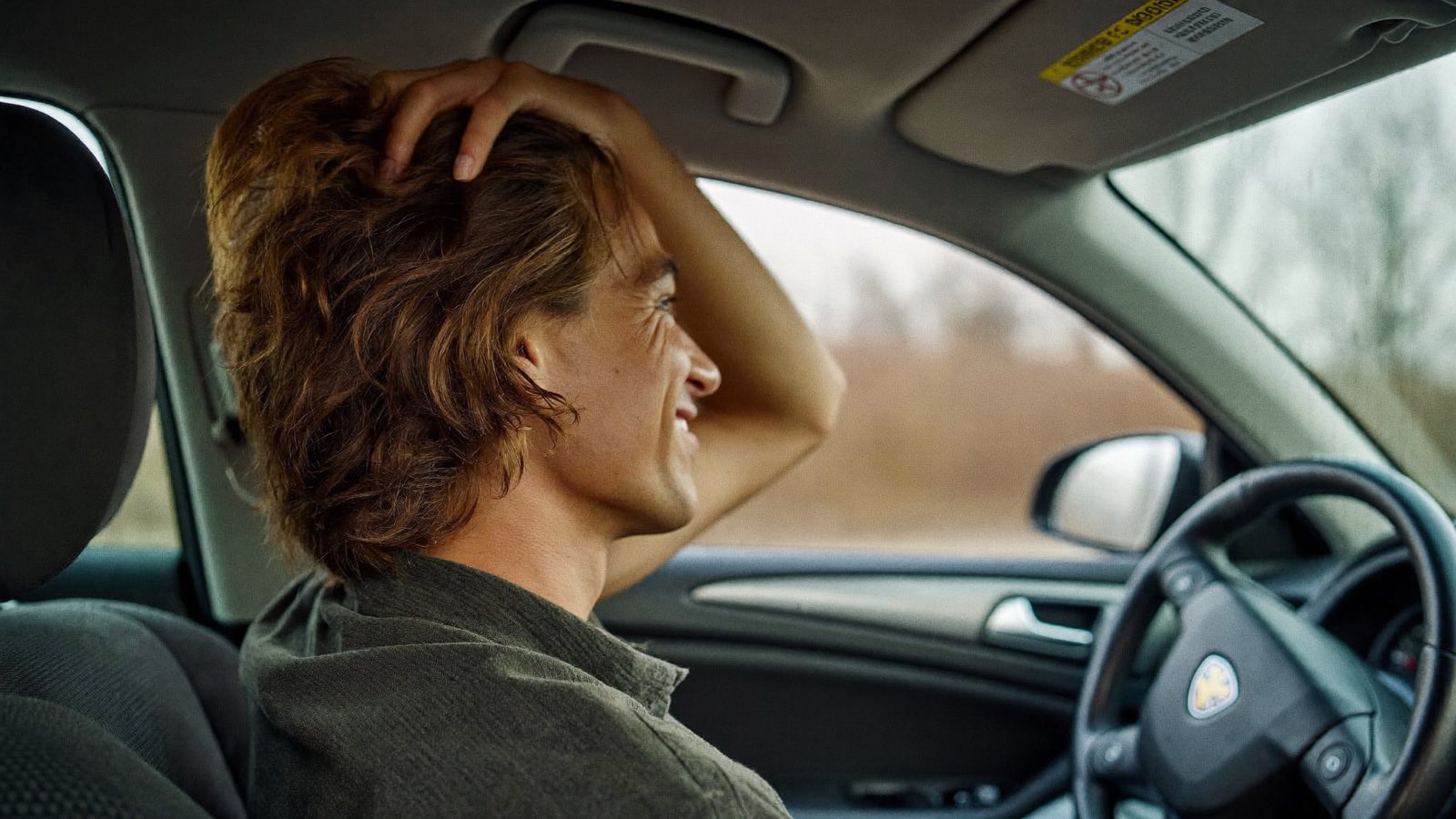
A no-shave hair transplant lets you keep most or all of your hair length during FUE, so the procedure is much harder for other people to spot. The trade-off is that unshaven and partially shaved sessions usually allow fewer grafts per day and take longer to carry out, because the team has to work around longer hair. Whether it suits you depends on how many grafts you need and on your donor area. Our FUE hair transplant on Long Island page covers the procedure itself; this guide compares the shaving options.
Shaving is one of the most common worries people raise before a transplant, especially if they cannot take much time away from work or would rather not explain a sudden buzz cut. There are three main approaches, and each one balances discretion against session size differently. Availability depends on your hair and plan, so the right option is confirmed at consultation rather than promised up front.
Quick answer: unshaven and partially shaved FUE hide the procedure better than a full shave, but they usually allow fewer grafts per session and take longer. They suit smaller plans, people with longer hair and anyone who needs to stay discreet. Large plans are often done shaved, or in more than one session.
Three Options: Shaved, Partially Shaved and Unshaven
There are three ways to prepare the scalp for FUE, and they differ mainly in how much hair is trimmed in the donor area at the back and sides of the head.
Fully shaved
The donor area, and often the recipient area too, is trimmed very short. This gives the team the clearest view of every follicle, which makes extraction faster and allows the largest number of grafts in one day. The downside is that the procedure is obvious for a few weeks until the hair grows back.
Partially shaved
Only a strip or "window" in the donor area is trimmed, usually at the back of the head. Longer hair above it is then let down to cover the shaved area. This keeps much of the speed of a shaved procedure while hiding the donor site well, and it is a common middle ground for moderate plans.
Fully unshaven
Individual hairs are trimmed one at a time inside longer hair, or longer hairs are worked around, so there is no visible shaved patch at all. This is the most discreet option, but it is also the slowest and most demanding for the team, so it tends to limit how many grafts can be placed in a session.
How the Options Compare
The table below compares the three approaches on the points most people ask about. Graft numbers are typical guides only, because the real limit depends on your donor density and hair.
| Option | How visible afterward | Typical grafts in one day | Procedure time | Often best for |
| Fully shaved | Obvious for a few weeks | Largest sessions, up to several thousand | Shortest | Large plans and maximum coverage |
| Partially shaved | Donor strip hidden by longer hair | Moderate sessions, often 1,000 to 2,000 | Medium | Moderate plans with longer hair on top |
| Fully unshaven | Very hard to notice | Smaller sessions, often under 1,500 | Longest | Small refinements and strict discretion |
These figures are not fixed. Some people can have a larger unshaven session, while others need a full shave to reach the graft count their plan requires. Our guide to how many grafts you need explains how a total is worked out zone by zone.
Who Is a Good Candidate
A no-shave hair transplant tends to suit people who need a smaller number of grafts and who already wear their hair long enough to cover a trimmed area. Good candidates often include:
- People refining an earlier result: adding density or softening a hairline usually needs fewer grafts.
- Early hair loss: filling the temples or a slightly receding hairline is often within unshaven limits.
- Women: many women want to keep their length, and partially shaved or unshaven FUE can help. Our female hair transplant page explains how thinning in women is assessed.
- People who cannot take visible time off: discretion matters most for those returning to work or social life quickly.
It is usually less suitable when a large area needs coverage, such as advanced loss on the Norwood scale, because the graft count needed is hard to reach without shaving. In those cases, a shaved session, or a plan split over two sessions, is often more practical. The density of your donor area also matters, and our article on the donor area explains why.
The placement method is a separate choice. Whether grafts go in with fine forceps or an implanter pen is covered in our article on DHI vs FUE, and either can be combined with a shaved or unshaven extraction.
How Recovery Looks With Longer Hair
Recovery with longer hair is mostly about what other people can see. The healing itself is the same as any FUE: small crusts form around each graft and usually clear within about 7 to 14 days, and the transplanted hairs commonly shed within the first month before regrowing.
The difference is cover. With a partially shaved approach, the trimmed donor strip is hidden as soon as longer hair is let down over it. With unshaven FUE, the donor area shows little change at all. The recipient area can still show some redness and tiny crusts for the first week or so, which longer surrounding hair helps soften. A loose hat is usually allowed after the first few days, as your instructions will say.
That is why many people choosing a no-shave approach do so to shorten the time they feel they need away from work. Our guide to time off work after a hair transplant covers typical return times, and our recovery timeline walks through each stage of healing.
What Procedure Day Feels Like Unshaven
An unshaven or partially shaved procedure day follows the same steps as any FUE, with a little more time spent on the donor area. The team sorts and lifts sections of longer hair so they can see and reach the follicles they plan to use, then lets the hair fall back once extraction in that zone is done.
Because of that extra handling, the day can run longer than a shaved session with the same graft count, and breaks are built in as usual. You go home the same day. Many people find it reassuring to walk out with their hair looking almost the way it did when they arrived, which is a large part of why they choose this option.
Questions to Ask Before Choosing
A few direct questions at consultation will tell you whether a no-shave approach really fits your plan:
- How many grafts does my plan need, and can that be reached unshaven?
- Would partially shaved give a better balance of discretion and coverage for me?
- Will a smaller session mean I need a second one later?
- How long will the procedure day be with longer hair?
- How will my donor area look with my usual haircut afterward?
At our Melville clinic, the in-house team carries out extraction and placement, and Dr. Val Prokurat, MD reviews every plan and directs the procedure. We will tell you honestly if unshaven FUE is not the right fit for the coverage you want.
Cost and Planning
A no-shave hair transplant is priced per graft like any FUE, at $3.99 to $7.99 per graft, with most cases between $4,000 and $15,000, no session fees and 0% financing for the first 12 months. Where your plan falls in that range depends on the graft count and the complexity of the work, and your written quote after consultation is the figure to rely on.
Find Out Which Option Fits Your Plan
Book a free consultation at Nova Medical Hair Transplant Long Island, 445 Broadhollow Rd, Melville, NY 11747. We check your donor area and graft needs and tell you honestly whether unshaven, partially shaved or shaved FUE suits you. Call (516) 202-7223, Monday to Friday, 9am to 6pm.